Normandy in 3 days: expectations gap;
The moment you put “D‑Day beaches + Honfleur + Mont‑Saint‑Michel” into a three-day Normandy plan from Paris, the map looks reassuring—and then the drive times start eating your daylight. Normandy isn’t huge, but the best stops are spread out in a way that turns “quick detours” into hour-long commitments, especially once you add parking, slow coastal roads, and the simple fact that you’ll want to linger.
The real expectations gap is pacing: you can either do fewer places with more texture (a long beach walk, a proper seafood dinner, one museum you actually absorb) or collect highlights at the cost of arriving everywhere slightly late and slightly tired. A rental car is usually the cleanest way to make three days work, but it also makes you overconfident—because you can drive anywhere doesn’t mean you should.
If you’re unsure about tours, think of them as trading flexibility for reduced decision load: great for one history-heavy day, not ideal if food and small towns are the point. The plan below leans time-smart: one “pretty port” day, one D‑Day day, one Mont‑Saint‑Michel day—so you’re not repacking your itinerary every morning.
Day 1 Rouen→Honfleur; Must: cathedral; Opt: harbor dinner; Skip: shopping.
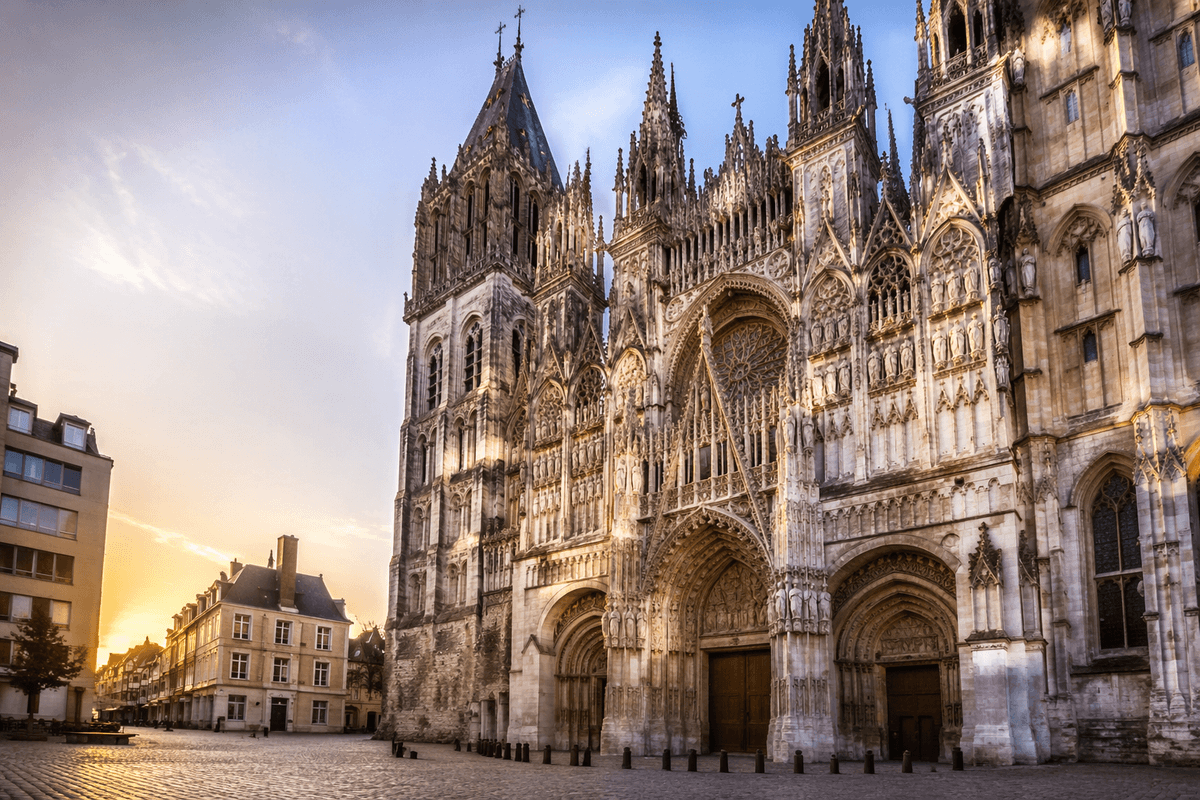
We hit the first real decision point in Rouen: do you treat it like a photo stop on the way to the coast, or do you give it a solid morning and accept you’ll reach Honfleur later? For us, committing to Rouen early worked—because the cathedral is one of those places that “reads” immediately in person, and it’s easiest before the day-trippers thicken the square. The constraint is parking and timing: even a “quick look” can quietly become 90 minutes once you factor in a walk from the car and the urge to circle back for one more angle.
From there, the drive to Honfleur is straightforward, but arrival logistics are where the day can wobble. Honfleur’s harbor area is compact and charming, which also means it clogs fast; you’ll feel the difference between arriving mid-afternoon versus early evening when everyone is hunting for the same few streets. If you’re choosing one optional splurge today, make it a harbor dinner—yes, it’s more expensive and sometimes more touristy than you want, but it buys you an unhurried end to the day when your feet are done negotiating cobblestones.
What didn’t earn its time: shopping. The boutiques are pleasant, but they’re interchangeable in a way the cathedral and the harbor aren’t, and browsing tends to fracture your schedule into tiny delays you can’t “drive faster” to recover.
Day 2 D‑Day coast; Must: Omaha; Opt: Pegasus; Skip: all museums.
We left Honfleur earlier than we wanted because Day 2 is where Normandy punishes slow mornings: you’re trading coastal beauty for pure logistics. The D‑Day coast looks linear on a map, but the roads aren’t “fast,” and every stop adds a parking-and-walking tax. If you do one must, make it Omaha Beach—not because it’s the most photogenic, but because it’s the place where the scale clicks without you needing a lot of scaffolding. We aimed for late morning light, walked longer than planned, and it still felt efficient; the beach is big enough to absorb people, even when it’s busy.
The optional add-on I’d actually defend is Pegasus Bridge, but only if you’re already leaning east or you’re staying near Bayeux/Caen. It’s a different texture—more “operation and precision” than “open shoreline”—and it helps keep the day from becoming one long, emotionally flat coastline drive. The limitation is obvious: it extends your radius, and you’ll feel that extra hour in your dinner options and your patience.
What we skipped, on purpose: the museum stack. Not because they aren’t good, but because three days in Normandy already asks you to process a lot, and museum-hopping turns the day into timed tickets, indoor fatigue, and a constant calculation of “are we learning or just collecting rooms?” If you want one indoor hit, choose exactly one and protect the rest of the day for the sites themselves—and for a real meal afterward that isn’t grabbed between exhibits.
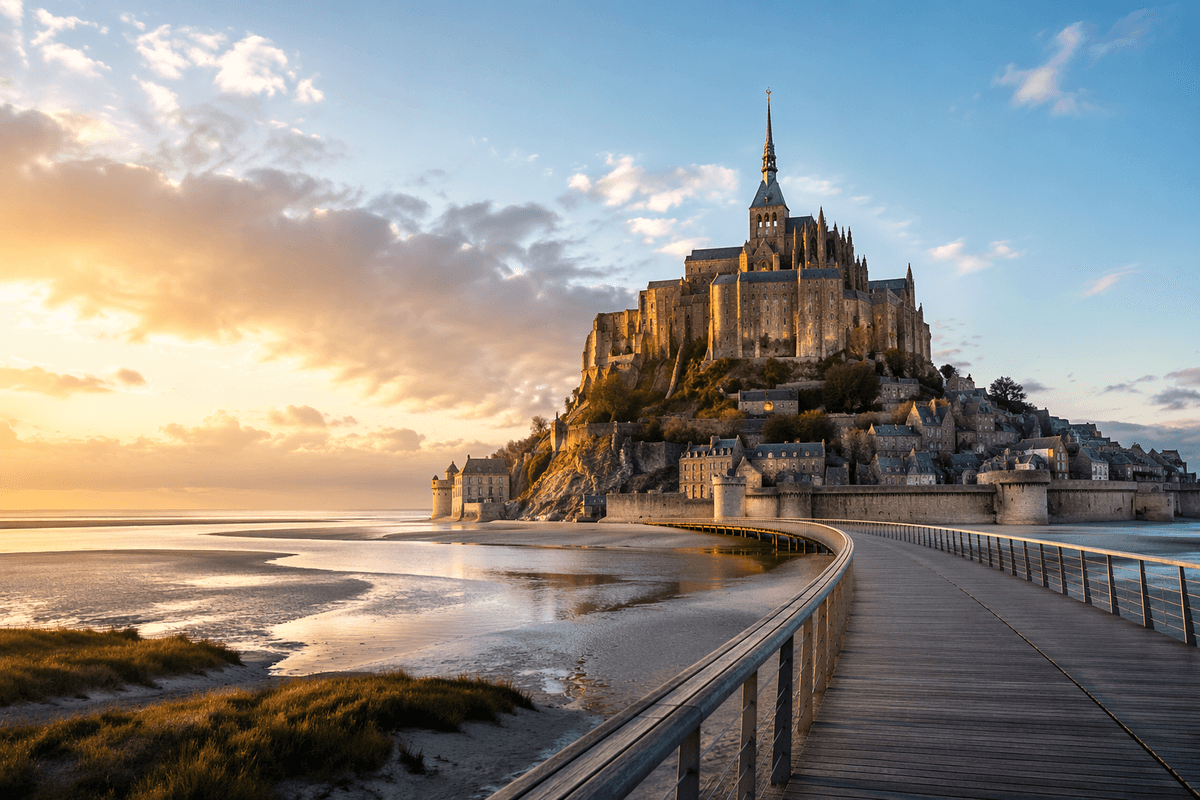
Day 3 Mont‑Saint‑Michel+cider; Must: abbey; Opt: tasting; Skip: midday.
We hesitated the night before Day 3 because Mont‑Saint‑Michel looks close enough on a map to “just do,” but it’s the kind of place where timing is the whole experience. If you’re driving from the Bayeux/Caen area, you’re committing to a long morning in the car; from Honfleur it’s longer still, and that distance matters because you want to arrive either early (before the causeway starts feeling like an airport corridor) or later in the day when the tour groups thin. We aimed for the first wave and it worked—less queueing, less shoulder-to-shoulder walking—but it also meant a slightly joyless coffee situation en route.
The must is the abbey, and not as a “quick look.” The climb and the sequence of rooms are the point, and if either of you is even mildly museum-fatigued, it helps that this is architecture and views rather than panels of text. The friction is physical: lots of steps, narrow passages, and a steady upward pull that makes you sensitive to crowds. Book a timed entry if you can; otherwise you’ll bleed time in a line you can’t shorten with better planning.
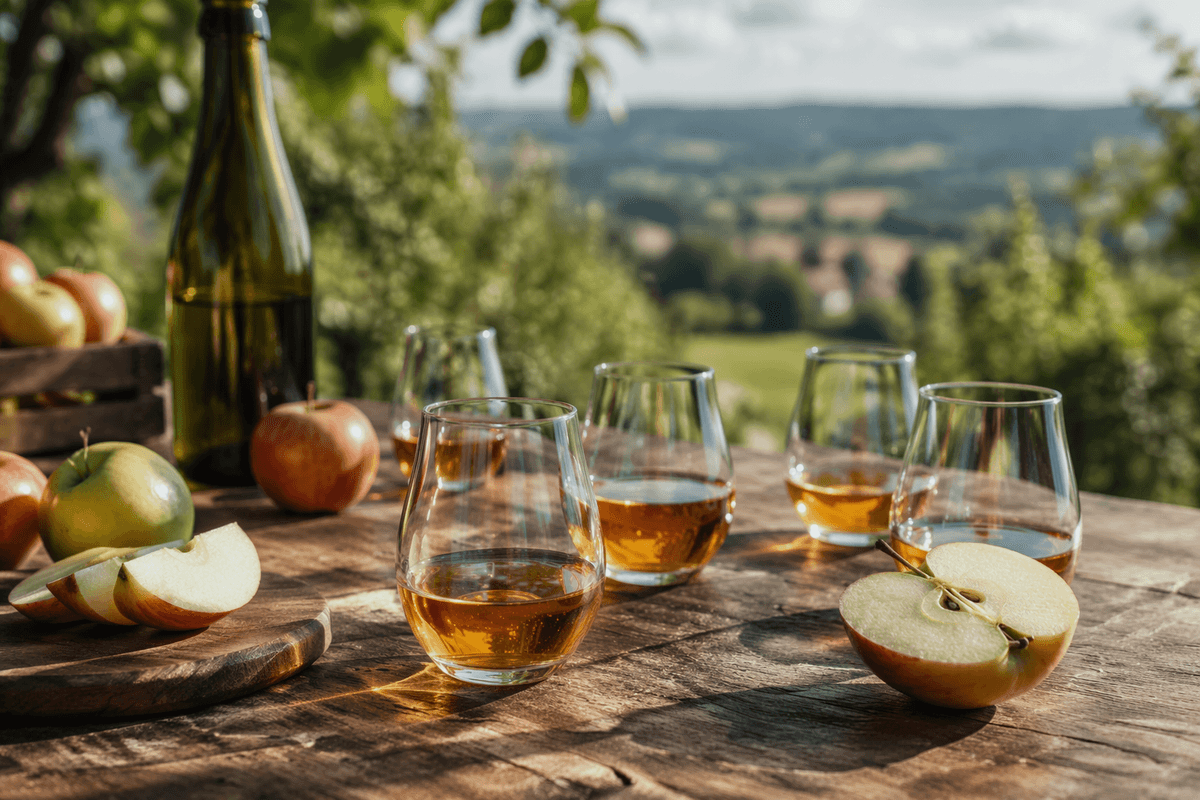
The optional reward afterward is a cider tasting, but choose it deliberately: one place, one hour, and call it. It’s a clean way to end the day without adding another “big” stop, especially if you’re heading back toward Paris and need something that breaks up the drive. What I’d skip is midday on the mount—peak crowds, peak prices, and the least pleasant version of the same streets you’ll enjoy more earlier or later.
Closing: choose your mix;
By the end of three days, the “right” Normandy plan usually comes down to what you’re willing to feel: a little more driving for wider coverage, or fewer miles for calmer meals and better evenings. If you want maximum control over timing (and you care about dinner quality), the car wins—but it also tempts you into adding “one more stop” that you’ll pay for in fatigue.
If you’re torn, pick one day to be structured and one day to be loose: let history have its focused slot, then protect a food-and-town day where you’re not chasing opening hours. Book the pieces that can bottleneck you, and leave the rest intentionally blank—because the most realistic luxury in Normandy is not squeezing everything in, but arriving somewhere with enough energy to actually enjoy it.