Starting at Dupont Circle: what fits your Capitol expectations?
The first decision from Dupont Circle is whether you want DC to feel like a “Mall-first” monument sprint or a neighborhood weekend with a few big swings. From The Dupont Circle Hotel, the National Mall is easy by Metro (Red Line from Dupont Circle, transfer to Blue/Orange/Silver at Metro Center for Smithsonian/Federal Triangle), but it’s not a casual stroll—walking can be 35–50 minutes depending on where you land, and that time adds up if you keep bouncing back for breaks.
If you care most about the classics (Lincoln, Capitol-area interiors), plan on earlier starts: you’ll trade a slower morning for thinner crowds and cleaner sightlines. If free museums are your main draw, the friction is timed-entry and fatigue—stacking “just one more” museum can quietly erase your evening food plans in Dupont/Logan Circle. A clean, Dupont-based weekend usually works best as: Mall early, Capitol Hill on a separate morning, and Georgetown when your legs (and patience) are lower-stakes.
Day 1: Dupont orientation—Must:Kramerbooks;Opt:Phillips;Skip:shopping
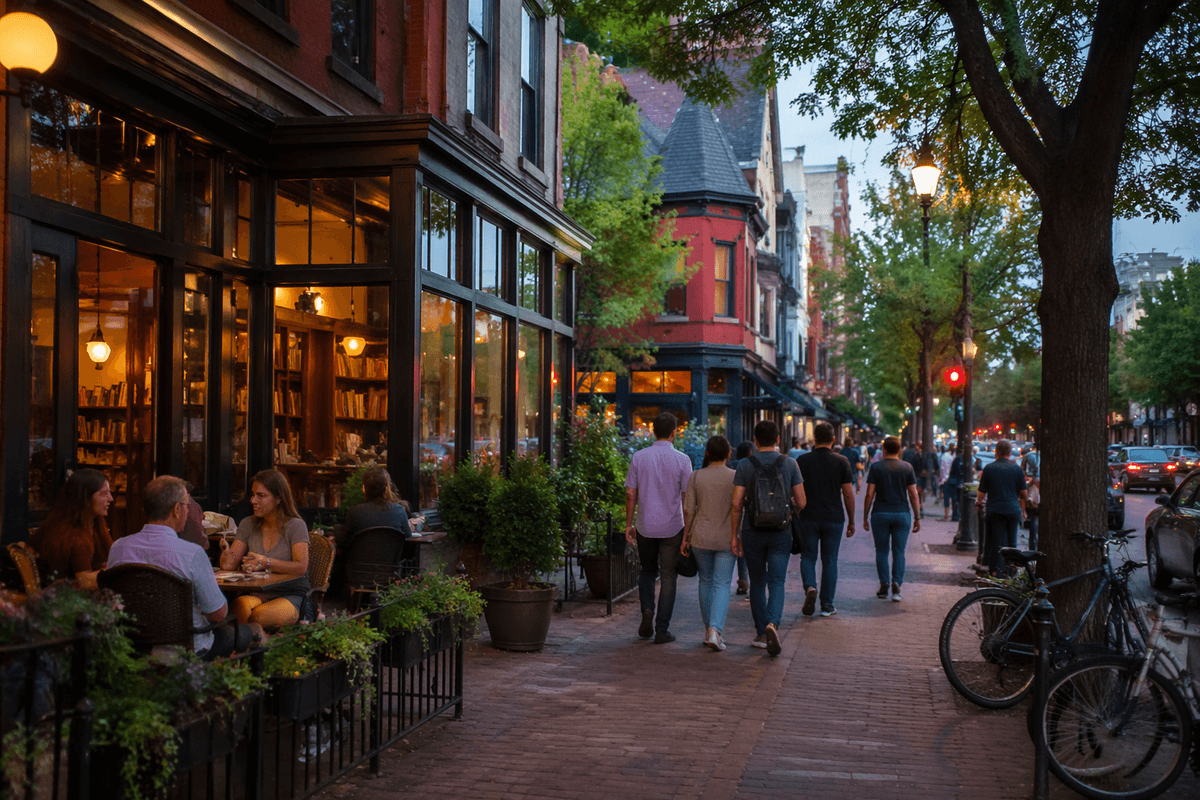
I realized I’d underestimated how much it helps to “solve” Dupont on purpose before chasing monuments—mostly because the first afternoon is when you’re most likely to wander into something that looks convenient and quietly burns two hours. From The Dupont Circle Hotel, the easiest win is keeping your radius tight: start with Kramerbooks when you still have energy to browse without turning it into a mission. It works well as a low-stakes anchor because you can dip in for a coffee or a quick bite and reset, but it’s also easy to linger too long if you’re trying to “see everything” on day one.
If you want one paid, contained culture hit that doesn’t require Mall-level stamina, The Phillips Collection is the optional add that behaves: it’s close enough to walk without thinking about Metro, and it’s calm compared to the Smithsonian crush. The limitation is that it can feel like a “serious museum hour” when you might prefer being outside—so I’d choose it only if the weather is pushing you indoors or you know you like modern/impressionist work.
I’d skip shopping detours around Connecticut/18th on this day. The variety is there, but the cost is momentum: you’ll end up carrying bags, backtracking to drop them off, and suddenly your “orientation” afternoon is gone.
Day 2: National Mall core—Must:Lincoln;Opt:Smithsonian;Skip:extra museums
The moment that makes or breaks this day is the first Metro transfer: from Dupont Circle it’s tempting to “just ride toward the Mall,” but if you don’t commit to a clean entry point you’ll surface somewhere random, re-orient, and lose the calm you were trying to buy with an early start. I like an intentional drop at Smithsonian or Federal Triangle (Red to Metro Center, then Blue/Orange/Silver), then walking the Mall with purpose rather than pinballing between pins on a map. It’s not hard, but it is long, and the distance feels different once it’s humid and you’ve already been on your feet since breakfast.
Lincoln is the must because it rewards the effort even when the Mall is busy—big sightlines, the Reflecting Pool, and a clear “you’re in DC” payoff. What doesn’t work as well is trying to pair it with too many interior stops immediately after: the security lines and indoor fatigue can make the afternoon feel like errands. If you want one Smithsonian, choose a single target and treat it as your shaded reset (Air and Space/Natural History/American History depending on your taste), then stop. The constraint with “extra museums” isn’t admission—it’s that each additional building adds another queue, another bag check, and another mile of walking you don’t notice until dinner plans start slipping.
If you still have energy, use it outside: a slow walk toward the Washington Monument or a sunset loop back toward the Ellipse plays nicer with tired legs than another gallery. When your feet finally vote no, Metro back to Dupont is the clean exit—you’ll spend less time recovering and more time actually enjoying a neighborhood meal.
Day 3: Capitol Hill civics—Must:Library Congress;Opt:Capitol tour;Skip:long lines
The friction point on Capitol Hill is that the buildings look close on a map, but the timing penalties aren’t. From Dupont Circle, I’d Metro in early and commit to one clean arrival (Red Line to Union Station works well), because trying to “pop over” from the Mall at midday usually means you hit the longest security lines when you’re already warm and a little impatient. The walk from Union Station to the Library of Congress is straightforward and satisfying, but it’s still a real 15–20 minutes once you factor in crosswalks and the gentle uphill.
The Library of Congress is the must because it’s an interior payoff that feels distinctly DC—civic, ornate, and not just another gallery. It also behaves better than most attractions when you’re trying to protect your afternoon: you can see the main spaces without turning it into an all-day commitment. What doesn’t work is arriving late and expecting it to be “a quick look” before a tour; security and crowds can stretch that quick look into an hour you didn’t plan for.
If you’re tempted by a Capitol tour, treat it as your optional swing only if you’ve secured it in advance (and you’re willing to structure the morning around it). Otherwise, skip any plan that depends on standing in lines “until it works out”—Capitol Hill is where waiting time quietly eats the neighborhood lunch you were counting on.
Day 4: Georgetown + Potomac—Must:Waterfront walk;Opt:Kayak;Skip:M Street crowds
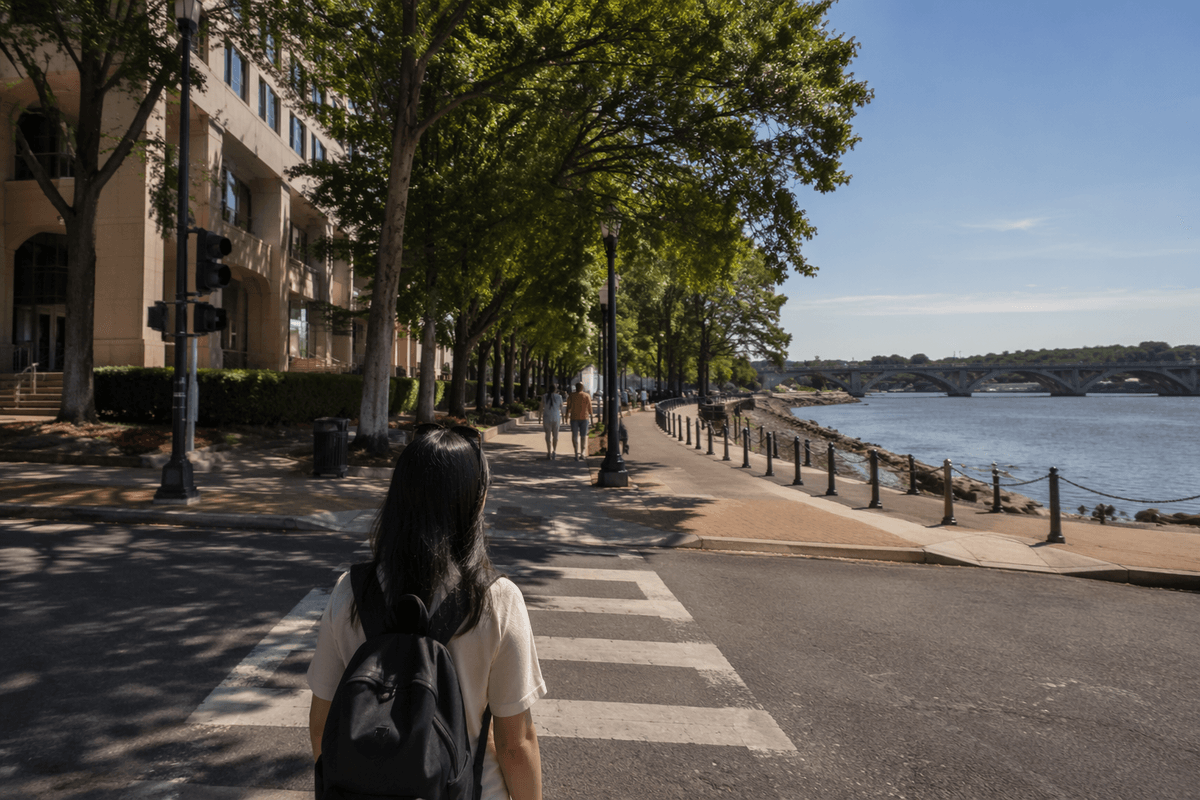
I tried to approach Georgetown like a “quick neighborhood pop-in” from Dupont, and it immediately punished me with indecision: do you Metro-ish there, rideshare, or just commit to the walk? If you’re already a little foot-sore from the Mall and Capitol Hill, the simplest move is a direct ride to the Georgetown Waterfront area (or Foggy Bottom and walk in), because the scenic part is along the Potomac—not on the slog between neighborhoods. Starting at the water works better than starting on the shopping streets, especially once the late-morning crowds thicken.
The must is the waterfront walk because it delivers the payoff even when the rest of Georgetown feels jammed: you can keep moving, pick a direction based on energy, and still feel like you “did Georgetown” without turning it into a retail obstacle course. The optional add is a kayak rental if the weather is cooperating and you’re okay trading two hours for one memorable, physical thing; it’s great when you want a break from museums, but it’s also the day’s most fragile plan if wind, heat, or timing slips.
I’d skip M Street at peak hours unless shopping is genuinely the point. It’s not that it’s bad—it’s just slow, and slow is expensive on a 3-day weekend when you still need to get back to Dupont for dinner without a long, crowded unwind.
Leaving Dupont: the simplest plan you’ll feel good about
On the last morning, the thing that surprised me was how quickly “one last stop” turns into a full detour from Dupont—especially once checkout time is looming and you’re doing mental math on bags, Metro transfers, and crowds. If you want the easiest exit that still feels intentional, keep it close: a final lap around Dupont Circle, a quick coffee, and then a straight Red Line ride out (rather than squeezing in another Mall loop that can get slow and sweaty fast).
If you’re deciding between one more monument vs. one more neighborhood meal, I’d pick the meal and protect the margin. The monuments don’t get more enjoyable when you’re rushed, and a “just in case” museum attempt can collapse under timed-entry and security lines. Leaving DC feeling good is mostly about skipping the plan that requires everything to go perfectly—choose a clean route back, give yourself buffer, and let the last hour be easy instead of ambitious.