The real choice isn’t Europe vs elsewhere
At 11:47 p.m., we had two tabs open and a third one half-loaded: Paris in June, Lisbon in late September, and a “maybe Japan?” search that kept timing out on our Wi‑Fi. The map made Europe look like a quick hop-scotch of capitals, but the flight times from Chicago and the hotel totals made it feel less like a continent and more like a set of trade-offs. Even the “cheap” options got expensive the moment we clicked into Friday check-ins.
The real decision usually isn’t Europe versus the rest of the world—it’s what kind of friction you’re willing to buy with your PTO. Europe can still be the most efficient way to stack walkable cities, museums, and meals you’ll talk about for months, but that efficiency disappears if you chase the most famous places at the most famous times. A shoulder-season week in Madrid or Copenhagen can feel calmer (and sometimes pricier on hotels) than a “budget” summer plan that bleeds money into last-minute trains, timed-entry tickets, and crowd fatigue.
If you’re the kind of couple that likes booking flights and hotels early, then staying flexible day-to-day, Europe rewards you—just not equally everywhere. Big-name capitals are the easiest to navigate but punish you with lines and reservation pressure; smaller cities can be better value but cost you time in transfers. When the itinerary starts to look like three countries in ten days, that’s usually the moment to ask: are you collecting pins, or protecting the trip?
Value feels better than it used to

The moment the hotel page finally stopped spinning, the “total” line jumped by $312 when we toggled from Monday check-in to Friday. Same neighborhood, same room size, just a different rhythm of arrivals. That’s when “Europe got expensive” started to look less like a blanket truth and more like a calendar problem you can either pay for or sidestep.
Value feels better than it used to when you treat your budget like two buckets: fixed costs you lock early (flights, first hotel, any must-do reservations) and variable costs you keep flexible (meals, neighborhoods, day trips). Iconic capitals still charge you for convenience—central rooms, timed tickets, and the privilege of walking everywhere—but smaller pivots can buy back a lot: staying one metro stop farther out, swapping one headline museum day for a market-and-neighborhood day, or building “nice dinners” around lunch instead. It works especially well for couples who care about food and walkability, because the best meals are often in the second-best locations.
The shoulder season isn’t a cheat code; it’s a negotiation. Late September can feel like perfect city weather until a rainy stretch pushes you indoors, and then those pre-booked entries suddenly matter. If your 10 days are precious, aim for one expensive anchor city you’ll happily pay for, then one nearby place where your money goes quieter—fewer lines, fewer transfers, more wandering that actually fits the plan.
Many countries, one easy trip
On the third swipe of the rail map, we hesitated over a line that made Amsterdam to Brussels look like a commuter hop—1h50, easy. Then we pictured it with two carry-ons, a 9:06 departure, and a hotel that won’t hold bags until 3 p.m. The distance is real; the “effort” is what changes.
This is where Europe can genuinely feel simpler than elsewhere: you can stack countries without stacking logistics, as long as you treat borders like a bonus, not a goal. A two-base plan (say, one “big” city you’ll happily pay for, then a nearby smaller one) usually beats three capitals in ten days, because you stop donating hours to checkouts, station transfers, and re-learning transit. Trains win for city-center to city-center ease; budget flights win on price sometimes, but they quietly add airport time and stricter bag rules.
For a Chicago couple with 10 days PTO, the sweet spot is one long-stay anchor plus day trips that feel international without the suitcase tax—think Paris with a Reims/Champagne day, Vienna with Bratislava, or Copenhagen with Malmö. It works best if you lock only the cross-border legs early (popular routes sell out or get pricier), then keep individual days loose. If crowds are the worry, pick a “secondary” stop where dinner doesn’t require a reservation three days in advance.
The experience is high-impact fast
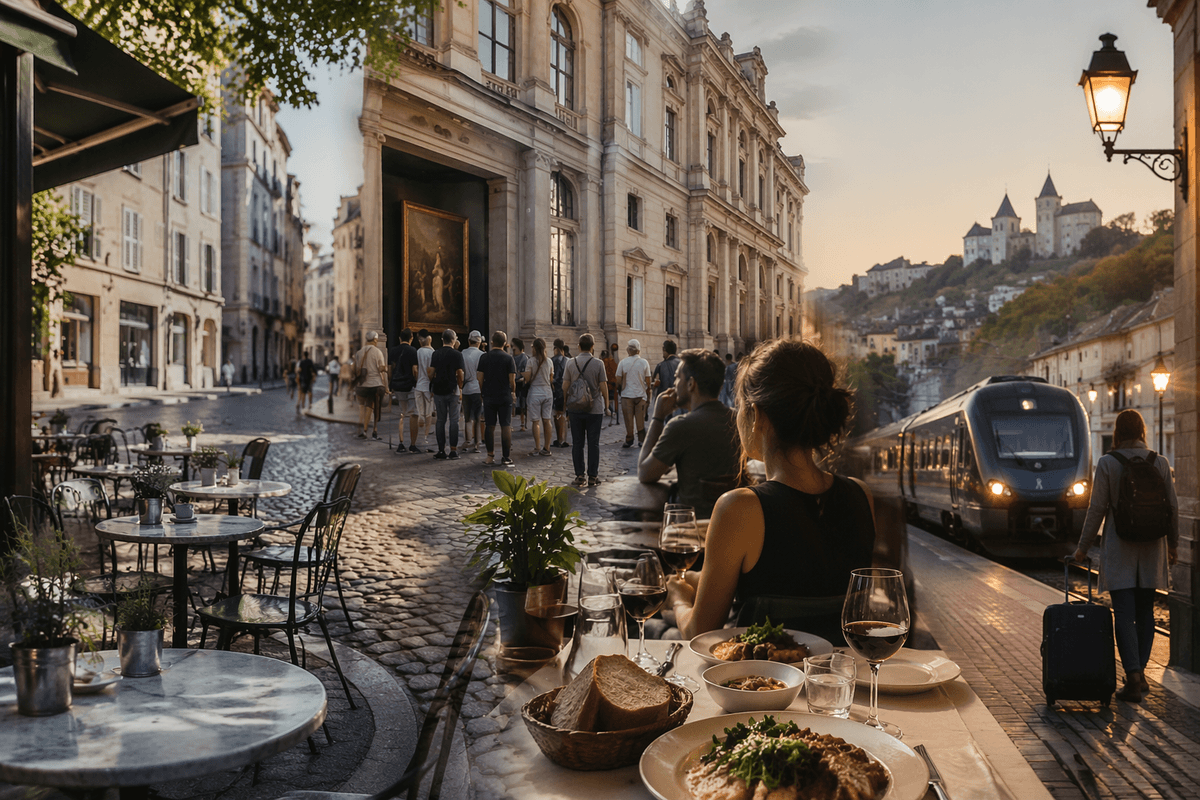
At 6:58 a.m., we were already outside a bakery with the metal gate half up, watching commuters funnel past us like they’d done this a thousand times. Ten minutes later we had hot pastries in a paper bag and coffee that cost less than the first airport latte back home, and it felt oddly “earned” because we’d barely tried. That’s the high-impact part: a normal weekday morning can look like a scene you’d usually save for a big anniversary night.
Europe hits fast because so much of the payoff is stacked into walkable blocks—cathedral-to-market-to-dinner without needing a rideshare buffer. Compared with a U.S. city break where you might plan around reservations and car time, here the baseline is already scenic, so your “free” hours feel expensive in the best way. The same density pulls crowds into the same corridors: if you only do the famous highlights at 11 a.m., you’ll spend your energy standing still.
The trade-off that keeps it worth it for a 10‑day PTO trip is choosing one or two timed anchors per day (a museum slot, a viewpoint, a special meal) and letting everything else be neighborhood momentum. Early mornings buy you quiet; late lunches buy you better food for less; and a smaller second city buys you recovery when the capital starts to feel like a theme park. If you want a trip that feels “big” without feeling packed, that pacing is the cheat you can actually control.
When Europe is the right next trip
At 9:14 p.m., we were staring at two flight options out of O’Hare: one that landed in Rome at 11:05 a.m. and another that arrived at 6:40 a.m. with a longer layover. The cheaper one looked “fine” until we pictured dragging ourselves through a museum line on two hours of sleep and paying for an extra coffee-and-cab day to survive it. That tiny timing choice felt like the whole trip in miniature: price versus energy.
Europe is the right next trip when your 10 days need to produce walkable, high-reward days without requiring constant planning muscle. It works best if you can travel shoulder season (late September into October, or April into early June) and you’re willing to pay for one convenience splurge—central-ish lodging in your anchor city, plus a couple timed-entry tickets you actually care about. If you’re aiming for peak July with “we’ll figure it out,” that’s when crowds turn transit into a project and meals start needing reservations like a part-time job.
For a $4–6k total budget, the cleanest yes looks like one iconic base (3–5 nights) paired with a calmer second stop (3–4 nights) connected by a simple rail leg, then day trips that don’t add suitcase time. Skip Europe right now if you only want headline capitals, hate early mornings, and won’t compromise on Friday/Saturday hotel nights—your money will buy stress. If you can say yes to one trade-off (earlier starts, one “less-famous” city, or one paid shortcut), Europe usually pays you back fast.