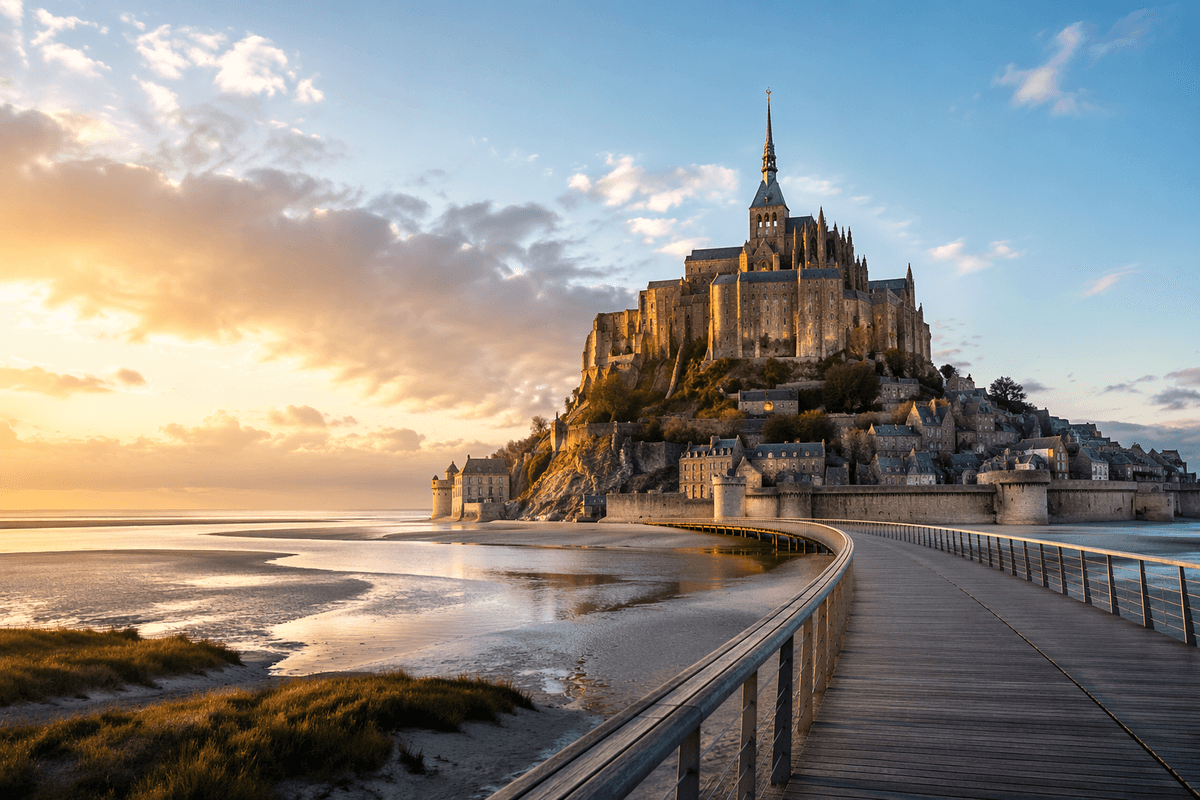
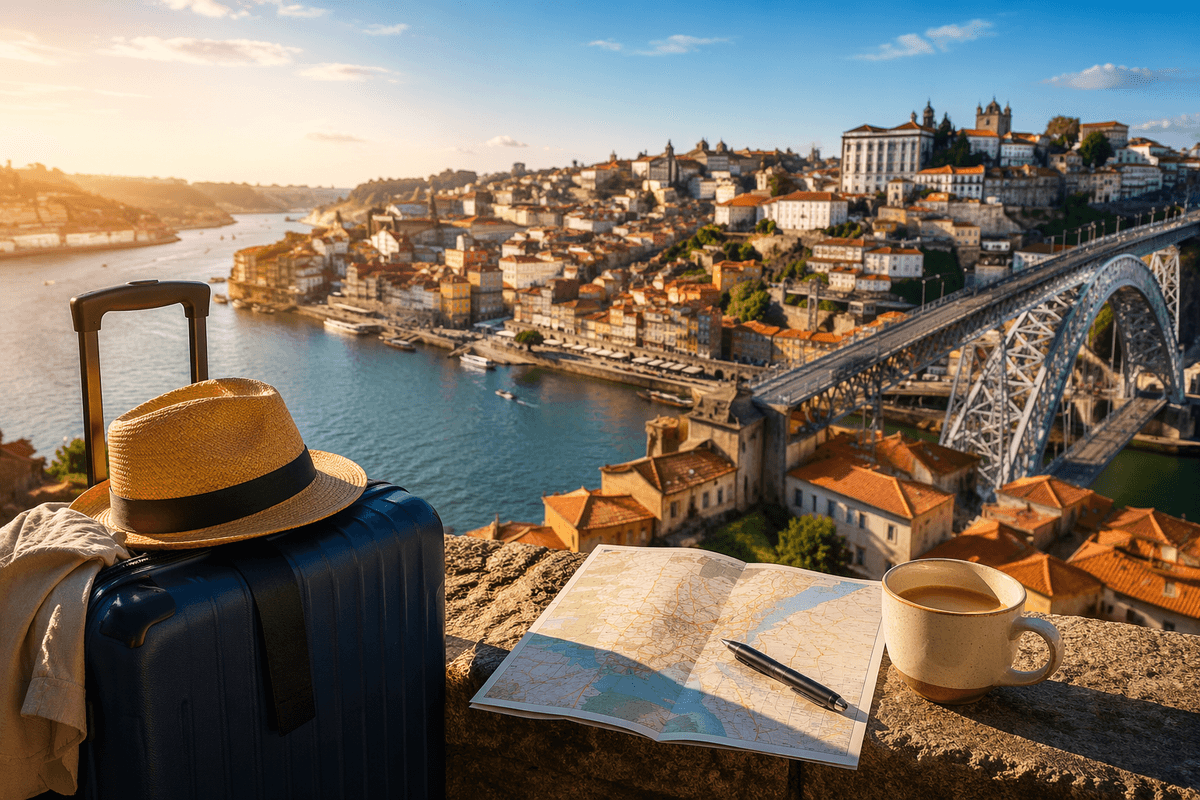
Why sailboat island-hopping feels harder than it looks
The first time you try to sketch an island-hopping route, it looks like a tidy chain of short lines—until you notice the wind arrows, the “closed” notes on small harbors, and how fast daylight disappears once you factor in swim stops and docking paperwork.
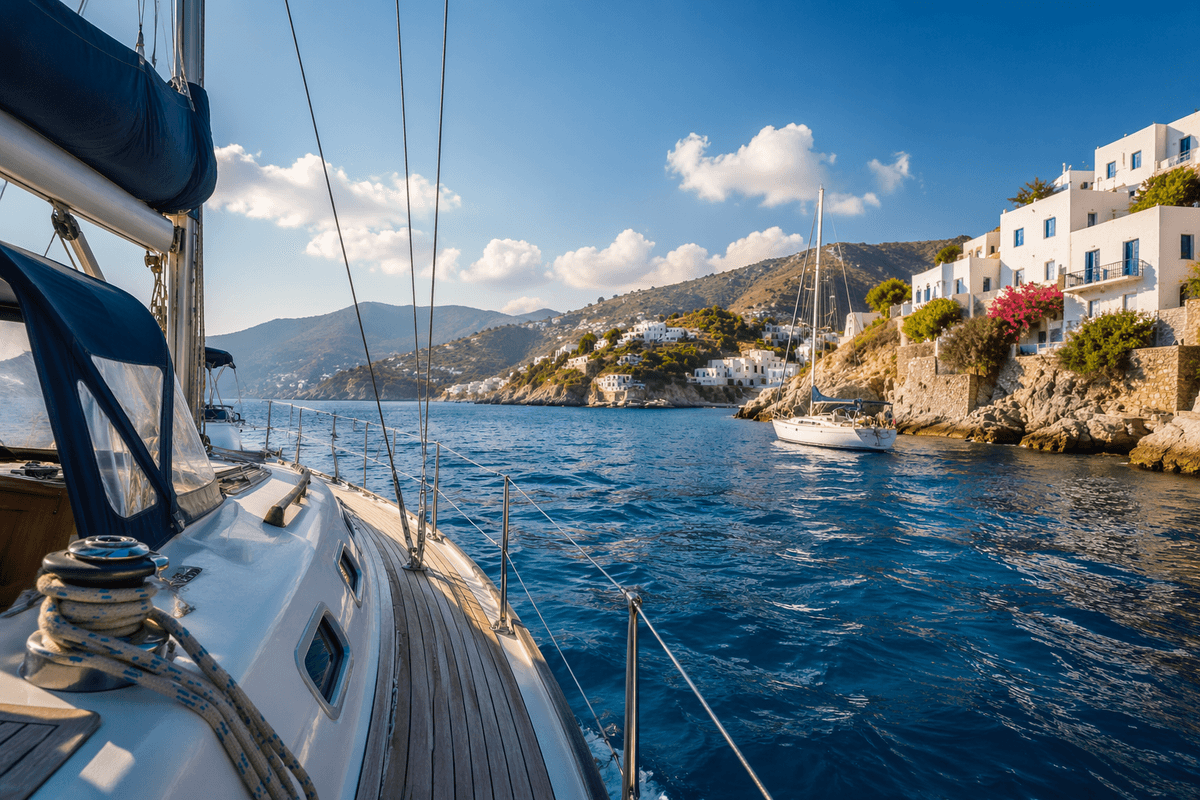
In Greece, the distance between islands isn’t the main constraint; the conditions are. The meltemi can turn a “quick hop” into a wet, tiring slog, and the more exposed your route is, the more you’ll burn vacation energy just staying comfortable (especially if one of you is prone to seasickness). You can absolutely move daily, but you’ll feel the difference between 2 hours of sailing and 5 when you still need to anchor, cook, and sleep well.
Then there’s the on-board reality: provisioning takes time, water and power are finite, and marinas aren’t always available when your plan says they should be. The trip becomes easier the moment you accept a Plan B island—and a Plan B night—are part of the “itinerary,” not a failure.
Charter basics: bareboat vs skipper vs crewed
On our first serious look at charters, the sticking point wasn’t price—it was the moment we realized that “being on vacation” and “being responsible for a 40-foot boat” don’t always overlap, especially when the wind picks up and you’re arriving tired at a busy harbor.
Bareboat works best if one of you is genuinely comfortable docking under pressure, reading the forecasts, and making conservative calls without debating every tack. It’s usually the cheapest daily rate, but it front-loads stress: a larger security deposit, stricter check-in/out expectations, and the mental tax of always thinking one step ahead (water, batteries, where you’ll sleep if the harbor is full). If you’re already strong sailors, that responsibility can feel like the point; if you’re not, it can quietly eat your evenings.
Skippered is the mid-range sweet spot for a 7–10 day trip: you still live the sailboat rhythm, but you buy back bandwidth for swimming, naps, and not turning docking into a relationship test. The limitation is privacy and flexibility—you’re sharing space, and the skipper may steer you toward safer, more practical stops over “cute but exposed” anchorages. Crewed is the easiest version of this life (and the priciest): great if you want it to feel like a floating boutique hotel, less great if you’ll resent paying extra to do less.
Picking the best Greek island chain for you
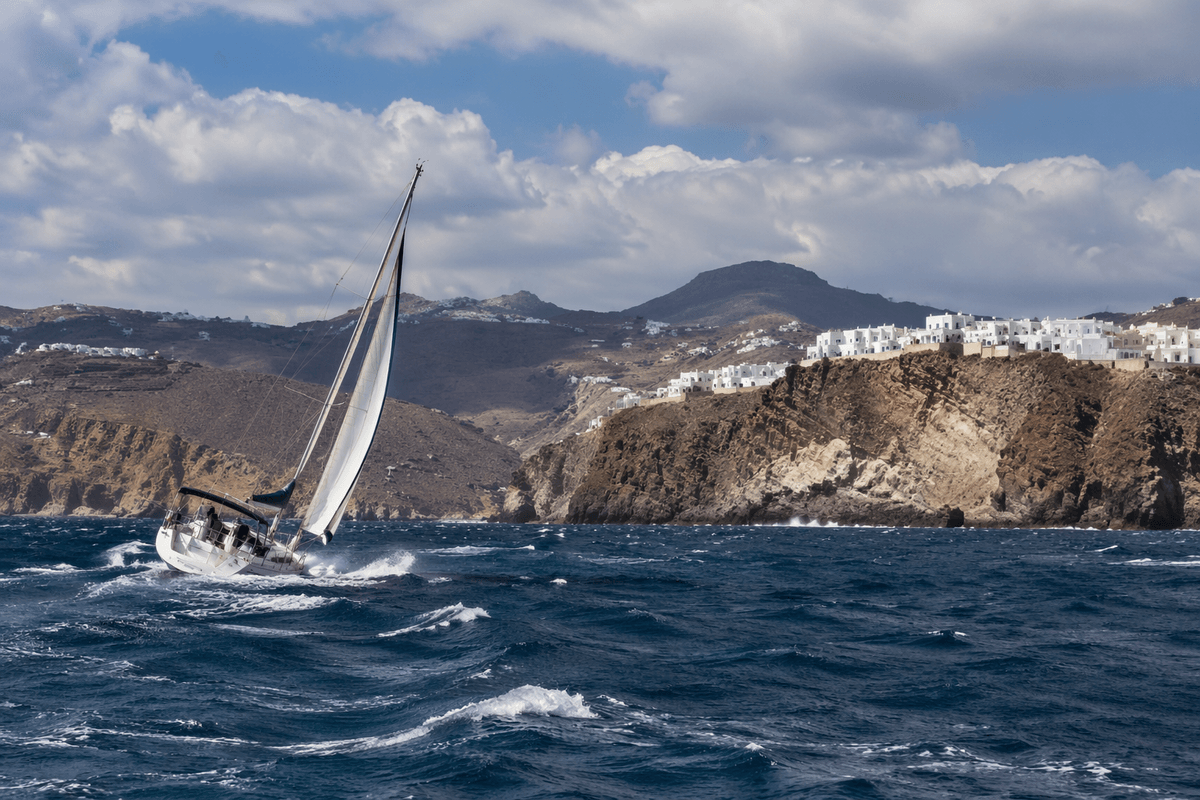
We kept circling the same question: do we want “postcard islands,” or do we want easy sailing days that still leave energy to enjoy dinner ashore? That’s the real filter for picking a chain—because the wrong match isn’t dramatic, it’s just quietly exhausting (longer crossings, rougher nights, more pressure to hit a harbor window).
If you’re debating bareboat vs skippered and you only have 7–10 days, the Saronic Gulf is the low-friction choice: shorter hops, more shelter, and more marina/port options when a plan slips. It’s slightly less wild-feeling than the Cyclades, but it’s the place where a “let’s stop early and swim” day actually works.
The Cyclades earn their reputation, but they’re also where the meltemi turns a simple route into a series of decisions about comfort and timing—especially if one of you gets seasick. Ionian sailing is generally gentler and greener, but it can feel busier and more “motor-sail between towns.” Pick the vibe you’ll enjoy on day six, not day one.
Route-building: realistic hops, anchorages, and Plan B
Our route finally started to make sense when we stopped drawing straight lines and started budgeting “arrival stress.” In a 7–10 day window, 2–4 hours underway is the sweet spot if you want time to swim, troubleshoot something small (there’s always something), and still come in calm enough to dock without snapping at each other. Push it to 5–6 hours and you’re not just paying in fatigue—you’re narrowing your options if the wind swings or a port fills up, because now you’re arriving late when everyone else is arriving late.
Anchorages look romantic on the chart, but they’re where your comfort gets decided: swell wraps around headlands, wind funnels unexpectedly, and “good holding” matters more than how pretty the beach is. If you’re bareboating, favor stops with at least two viable nights nearby (a harbor plus a protected bay) so you can change your mind without burning a whole day. With a skipper, you can be a little braver—because someone’s actively reading the micro-conditions and will call it early if it’s turning into a rough night.
The Plan B that actually saves trips isn’t a different island; it’s a different type of night. Have one “easy harbor” option you can reach even if you lose two hours provisioning, and one “quiet bay” option for when the port is chaos. That flexibility is what keeps island-hopping feeling like vacation instead of a daily deadline.
Costs and logistics: permits, provisioning, and ports
The first real cost surprise hit us before we even left the dock: the stack of “small” line items that don’t show up in the dreamy per-day charter rate. In Greece you’ll usually deal with paperwork like a cruising tax/permit (often handled by the charter company, but sometimes paid separately), plus a security deposit that’s more about your cashflow than your budget—especially on bareboat. If tying up a few thousand euros on a card would make you tense all week, that alone can justify going skippered or buying deposit insurance (where offered), even if the base price looks higher.
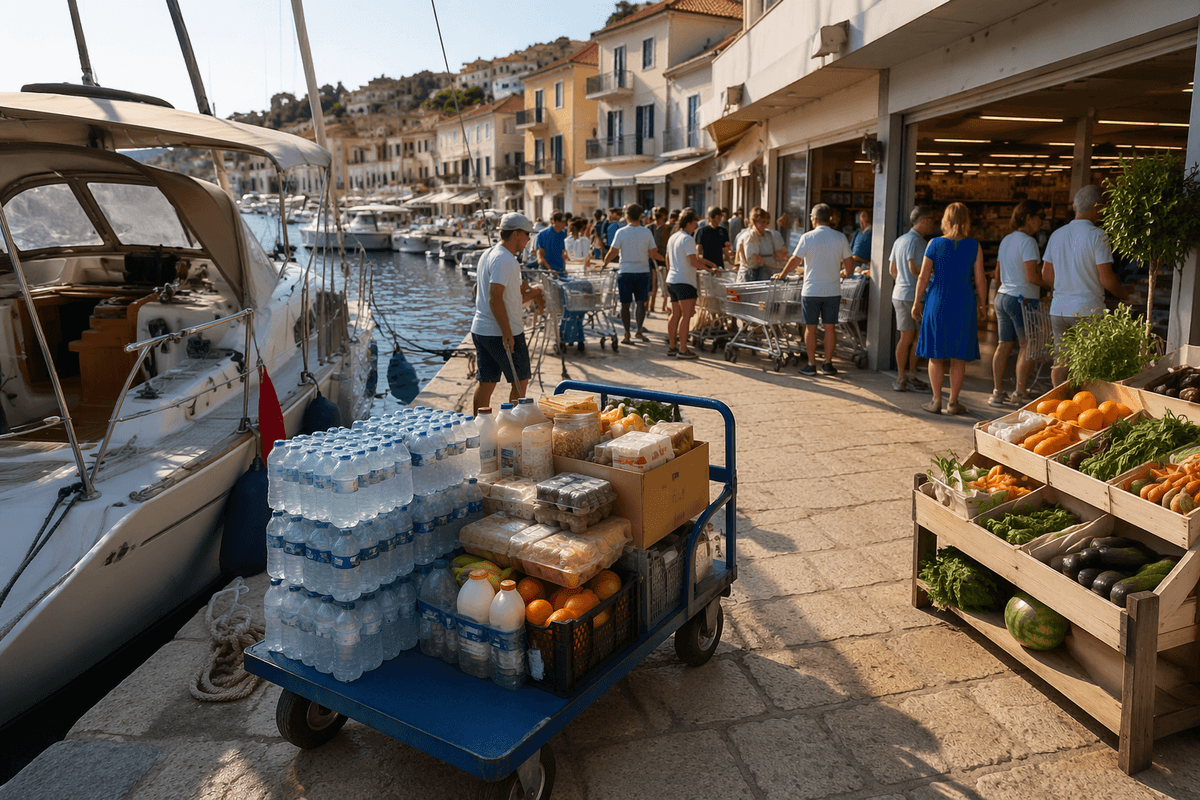
Provisioning is where plans go soft at the edges. Big supermarkets near marinas are efficient, but they cost you an entire afternoon if you arrive when everyone else does; the “quick top-up” mini-markets on islands save time but punish your food budget and patience (limited fresh options, higher prices). We found it easier to over-buy breakfast and water up front, then treat island stops as produce-and-wine refreshes rather than full re-stocks.
Ports are the daily friction point: fees vary, space isn’t guaranteed, and arriving late can mean rafting up or switching to anchoring when you’re already tired. If you’re trying to keep this feeling like vacation, budget for the occasional marina night (showers, power, reset) and accept that a free anchorage sometimes “costs” more in sleep if swell sneaks in.
Booking with confidence: what to prioritize and let go
The moment that changed our booking stress was realizing we didn’t need the “perfect” boat—we needed a setup that made bad-weather days feel manageable. For a mid-range 7–10 day trip, I’d prioritize three things that actually affect comfort: a reputable operator with clear check-in/out support (because issues always show up on day one), a realistic home base near your intended sailing area (so you’re not burning a full day repositioning), and a charter type that matches your worst-case scenario, not your best day. If docking in crosswind would turn dinner into an argument, paying for a skipper is often cheaper than paying for regret.
What to let go of: the urge to lock a rigid island list, and the obsession over squeezing in one more “famous” stop. You’ll enjoy Greece more if you book with enough slack to stay put when the meltemi pipes up, or to grab an easy harbor night when you’re low on sleep. And when you compare quotes, don’t just chase the lowest weekly rate—ask specifically about fuel policy, end-cleaning, linen/towels, outboard, marina fees, and how deposits are handled, because those are the costs that sneak up when you’re already committed.