Palanga isn’t one festival—it’s many choices
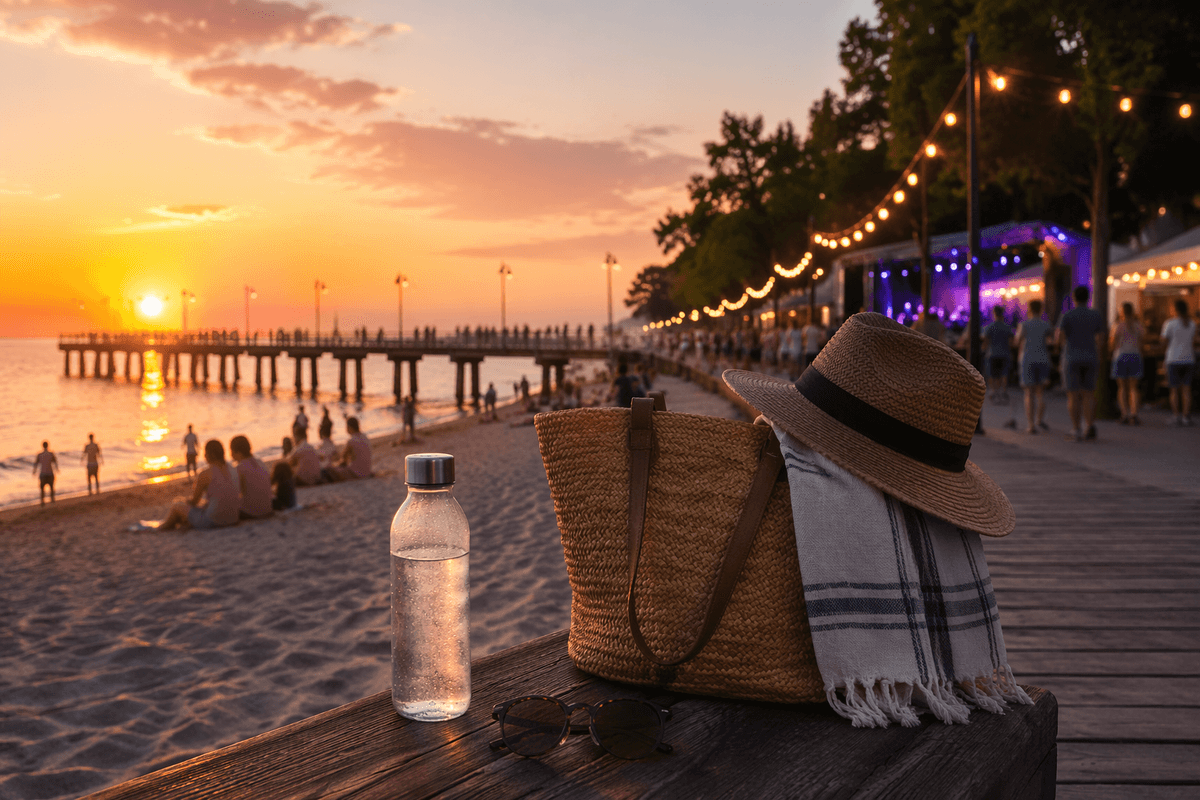
At 6:40 p.m., we paused on Vytauto gatvė with sandy ankles and two different posters in hand—one promising a “beach stage” set, the other pointing inland toward a pop-up fair. The map made it look like everything was a five-minute stroll, but the crowd flow near Basanavičiaus gatvė turned that into a slow shuffle. It was the first hint that “Palanga festival season” isn’t a single event you attend, it’s a menu you keep re-ordering.
Palanga in summer works more like overlapping zones than one big centerpiece: the loud, bright strip by the pier; smaller music pockets near cafés; and family-oriented fairs that peak earlier and fade by the time you’re ready to go out. That’s the trade-off couples feel fastest—maximize beach downtime and you’ll miss the early sets, chase every headline act and you’ll pay for it the next morning in sun fatigue. If you’re coming for three nights from Riga or Vilnius, it helps to treat each evening as a distinct “vibe slot,” not a bonus add-on after the beach.
Hotel pricing follows the same logic: central stays buy you flexibility (and less late-night commuting), but they also put you closer to noise and the post-concert foot traffic. Quieter lodging works best if you’re fine with a timing rule—commit to one main evening plan, then leave before the street bottlenecks build. When the calendar looks packed, the smart move isn’t doing more; it’s choosing the two things you’d actually miss if you skipped Palanga.
Pick your festival vibe first
At 11:18 p.m., my phone finally loaded a ticket page on shaky LTE, and the “few seats left” banner felt less like urgency and more like a warning. We were two beers in, standing by the fountain near the church, trying to decide if we wanted a real concert night or just background music we could drift away from. That tiny delay mattered: the later you decide, the more Palanga nudges you into whatever’s easiest, not what fits.
For a mid-budget couple on a three-night break, it helps to pick a “primary vibe” before you pick an event. If you want dancey, loud, and social, you’re basically committing to the pier/Basanavičiaus orbit—great for energy, weak for sleep, and it turns a 10-minute walk into a 25-minute shuffle after midnight. If you’d rather keep beach mornings intact, aim for earlier live sets (sunset-to-10 p.m.) and treat anything after as optional; the trade-off is you’ll miss the headline peaks, but you won’t feel wrecked by day two.
The third lane is “local-food-first with music as a garnish,” which works best when you’re not chasing a single stage: split dinner, catch one short set, then move before the crowd locks in. It’s not the right choice if you need front-row immersion, but it’s ideal when hotel prices are spiking and you’re trying to justify them with a plan that still leaves room for the beach.
The can’t-miss annual highlights
At 12:07 p.m., we tried to cross-check two event posters against a phone calendar while the wind kept flipping the screen, and “starts at 20:00” suddenly felt earlier than it looked. On the map, the Kurhauzas and the pier sit comfortably close; in flip-flops, after a full beach day, that last 1.5 km can feel like a minor negotiation. That’s when annual “highlights” stop being trivia and start being a timing strategy.
If you want one dependable anchor weekend, look for Palanga’s Summer Opening Festival (it’s typically a three-day kickoff at the start of the season). It’s broad—music, street energy, families early, couples later—which is both the perk and the limitation: you’ll get atmosphere without needing perfect taste, but you’ll also meet peak crowds and peak hotel pricing. It works best if you’re staying central and don’t mind louder walks home; it’s a weaker fit if your priority is quiet sleep for beach mornings.
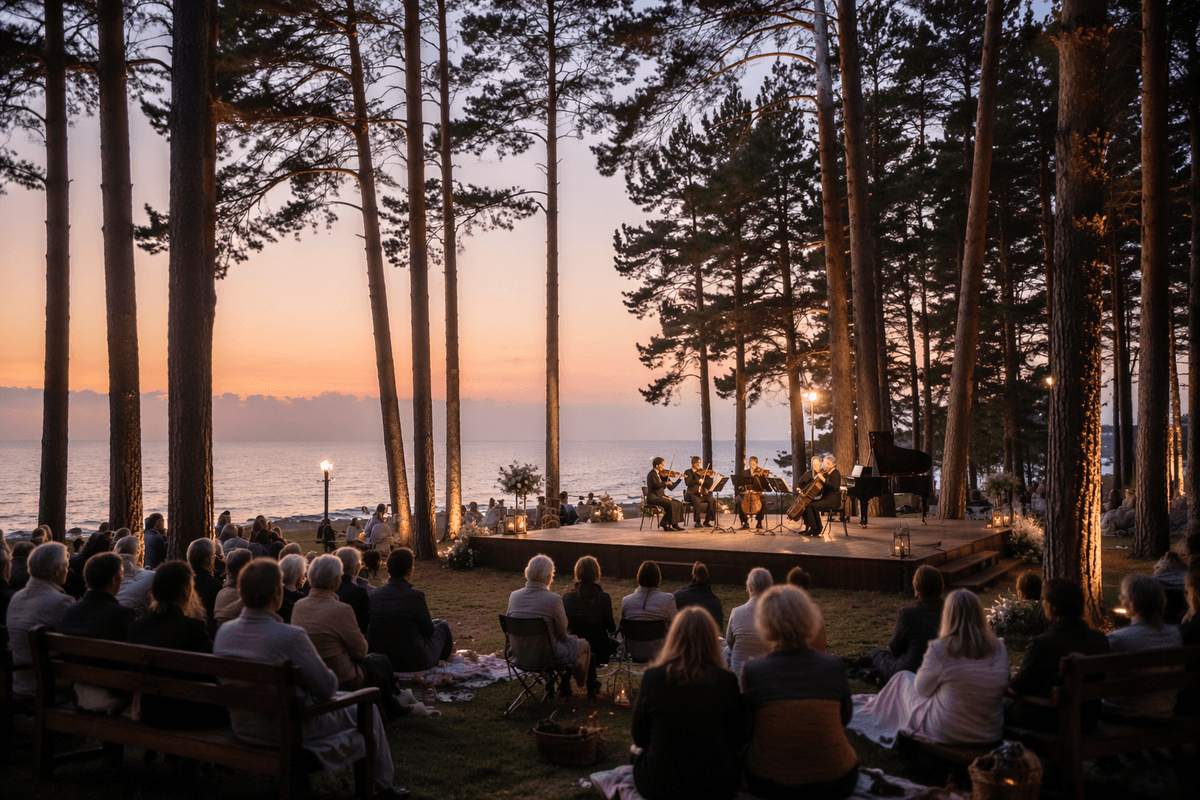
For “live music that still lets you function tomorrow,” the International M. K. Čiurlionis Music Festival is the cleanest trade-off: curated concerts in the Kurhaus concert hall, plus outdoor settings in Birutė Park, on a fixed run (in 2026 it’s July 2–18). You swap late-night chaos for seated start times and ticket planning, but you gain a predictable evening that pairs well with a long dinner. If you want something lighter and more flexible, Oldman Park’s summer season (June 20–August 20, 2026) is closer to a pick-and-choose calendar—great for last-minute couples, less ideal if you need one “big” headliner night.
Where the action actually happens
At 7:52 p.m., we stood by the pier entrance with a melting waffle and watched the crowd compress into a single slow-moving lane. On the map, Basanavičiaus gatvė looked like a neat corridor you could dip in and out of; in reality, it behaves more like a tide. The concrete detail you notice first isn’t the music—it’s how long it takes to cross 50 meters without bumping shoulders.
If you want the loud “festival postcard” version of Palanga, the action is basically the pier-to-Basanavičiaus strip: bright, busy, and easy to follow when you’re deciding last-minute. The trade-off is timing pressure—arrive too late and you’ll spend your energy queuing for drinks or inching past strollers; arrive early and you’ll feel like you showed up before the mood. It works for couples who want to people-watch and don’t mind a noisy walk home; it’s a rough fit if you’re guarding tomorrow’s beach morning.
For music that feels more intentional, the Kurhauzas and Birutė Park area is the calmer “listen first” zone: you’ll trade spontaneity for start times and a more seated, punctual rhythm. Oldman Park sits in between—easy to sample, but you still have to decide when to bail before the late-night bottlenecks form. A simple rule that saved us: pick one main zone per night, then set a leaving time before you’re tired enough to argue about it.
Eat, drink, and recover smart

At 4:15 p.m., we ducked into a grocery near Vytauto gatvė for cold water and something salty, and the air-conditioning felt like a better “event” than whatever was happening on the promenade. We’d done the classic mistake: beach until late afternoon, then straight into Basanavičiaus with no buffer. Ten minutes of planning would’ve bought us an extra hour of energy later.
Food in Palanga during festival weeks is a timing game more than a “best restaurant” hunt. If you eat on the main strip at peak hours, you’re paying in queue time and noise; if you eat one street back, you trade a little atmosphere for faster service and a calmer reset. For mid-budget couples, a simple split works: an early, proper dinner around 6–7 p.m. (before the crowd thickens), then a small late snack after music instead of a second full sit-down meal.
Drinks are where the night quietly falls apart. Strong cocktails plus wind off the sea can feel fine in the moment and brutal the next morning, especially if you’re trying to protect beach time. We had better luck treating alcohol like a companion to one set, not the whole evening—one or two drinks, then switch to water and leave before the street bottlenecks lock you into a slow, sweaty walk home.
Recovery is the unglamorous lever that makes the hotel price feel justified: carry a light layer for the park/pier breeze, stash electrolytes, and plan a “soft morning” (late breakfast, shade in Birutė Park) after your biggest night. If you’re debating whether to pay for central lodging, ask yourselves one thing: do you want the option to walk back early without it feeling like quitting?
If I had one perfect festival day
At 9:32 a.m., we hovered at the edge of the beach by the pier, watching someone set up a portable speaker while a lifeguard flag snapped hard in the wind. It was already warm in the sun but cool in the shade, the kind of morning where you can either overdo it early or pace yourself. We picked pacing: swims before crowds, then a long towel break instead of chasing “something happening” too soon.
By early afternoon, I’d treat Birutė Park like your volume dial. Compared to Basanavičiaus, it’s calmer, more forgiving on tired feet, and it buys you a cleaner reset if you’re doing live music later. The limitation is timing: if you linger too long, you’ll drift into that awkward 5–6 p.m. window where you’re not hungry enough for dinner, but too low-energy to start walking toward a venue. A light snack and a grocery water run around 4 p.m. solves more problems than it should.
For the “perfect” evening, I’d commit to one main zone and one main set: Kurhauzas/Birutė Park for a seated concert night if you want tomorrow’s beach to still feel good, or Oldman Park if you need flexibility and don’t care about seeing every minute. Either way, dinner at 6–7 p.m. (one street back from the strip) beats a later queue on Basanavičiaus, even if it costs you some promenade atmosphere. Then set a leaving time—10:30 p.m. is the sweet spot—because walking home at 12:15 a.m. through the bottleneck can make an “amazing night” feel weirdly expensive.