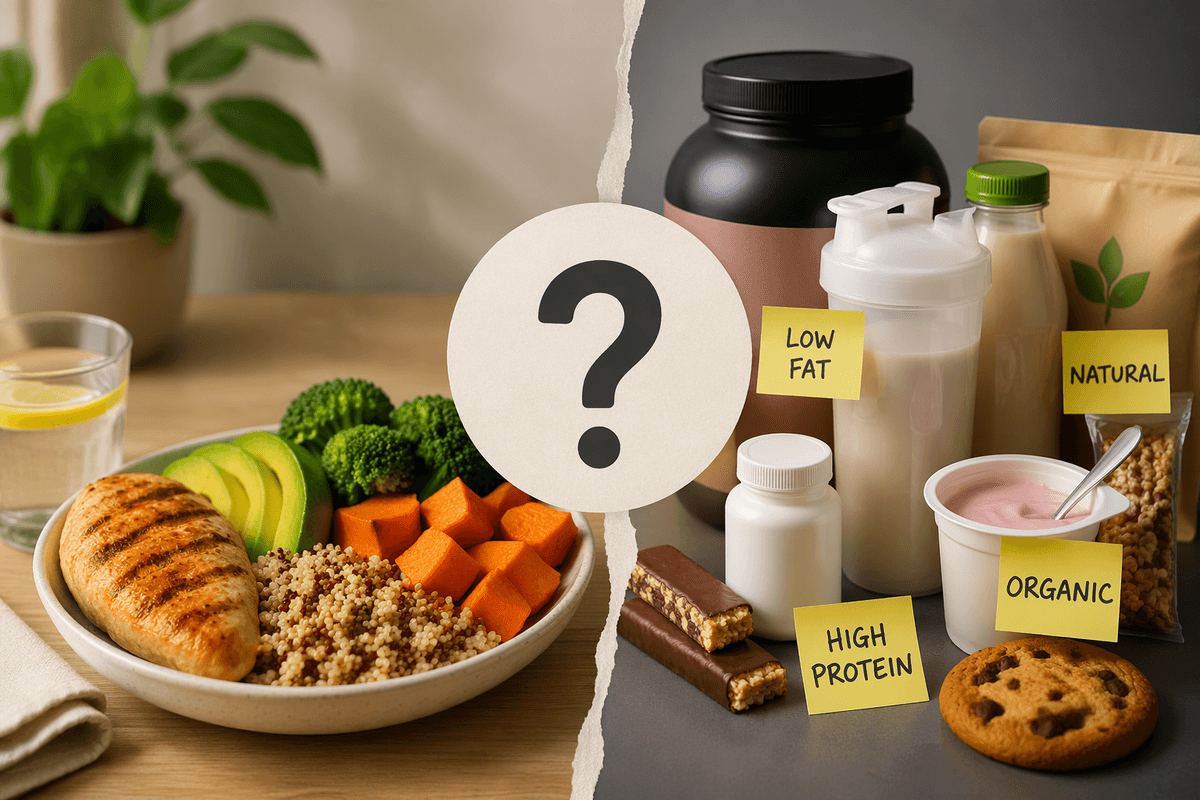
Why nutrition myths feel true in daily life
It usually starts with a small, believable moment: you eat a bagel at breakfast, and by mid-morning you’re hungry again. Or you skip lunch because meetings run long, then feel oddly wired and snacky at night. The story that “one food did this” feels tidy, especially when you’re tired and trying to make quick choices.
Myths stick because they match what you can see. A before-and-after photo suggests a single rule did all the work. A label promises “clean” or “light,” and you expect your body to follow along. But day-to-day signals—energy dips, cravings, bloating, workout recovery—are often shaped by timing, sleep, stress, and how satisfying the meal actually was, not just one ingredient.
Sometimes a strict rule seems to “work” for a week, then hunger rebounds or mood shifts and it feels like willpower failed. In reality, the body tends to push back when meals get smaller, less enjoyable, or less filling than they look on paper.
Carbs are not automatically fattening or “bad”
It can feel suspicious how quickly “healthy” eating unravels after you cut carbs. The first few days might bring a lighter feeling, then a mid-afternoon slump shows up, and suddenly you’re prowling the kitchen for something salty or sweet. That swing often gets blamed on carbs themselves, when it may be more about how the meal changed—less total food, less quick energy, and sometimes less satisfaction.
Carbs aren’t a single thing in the body. A bowl of sugary cereal eaten alone tends to burn through faster than oats with yogurt, or rice alongside chicken and vegetables. When a meal is mostly refined carbs without much protein, fat, or fiber, it can digest quickly, leading to a sharper rise and drop in blood sugar and appetite cues. That pattern can make carbs look “bad,” even though the issue is the combination and the portion.
There’s also the quiet math of it: many low-carb plans work at first because they remove whole categories of convenient calories—bread at lunch, chips at night, the extra “just in case” snack. But if carbs are cut so hard that workouts feel harder, sleep gets lighter, or cravings get louder, it’s a sign the rule is creating friction, not clarity.
Eating late rarely overrides total day intake
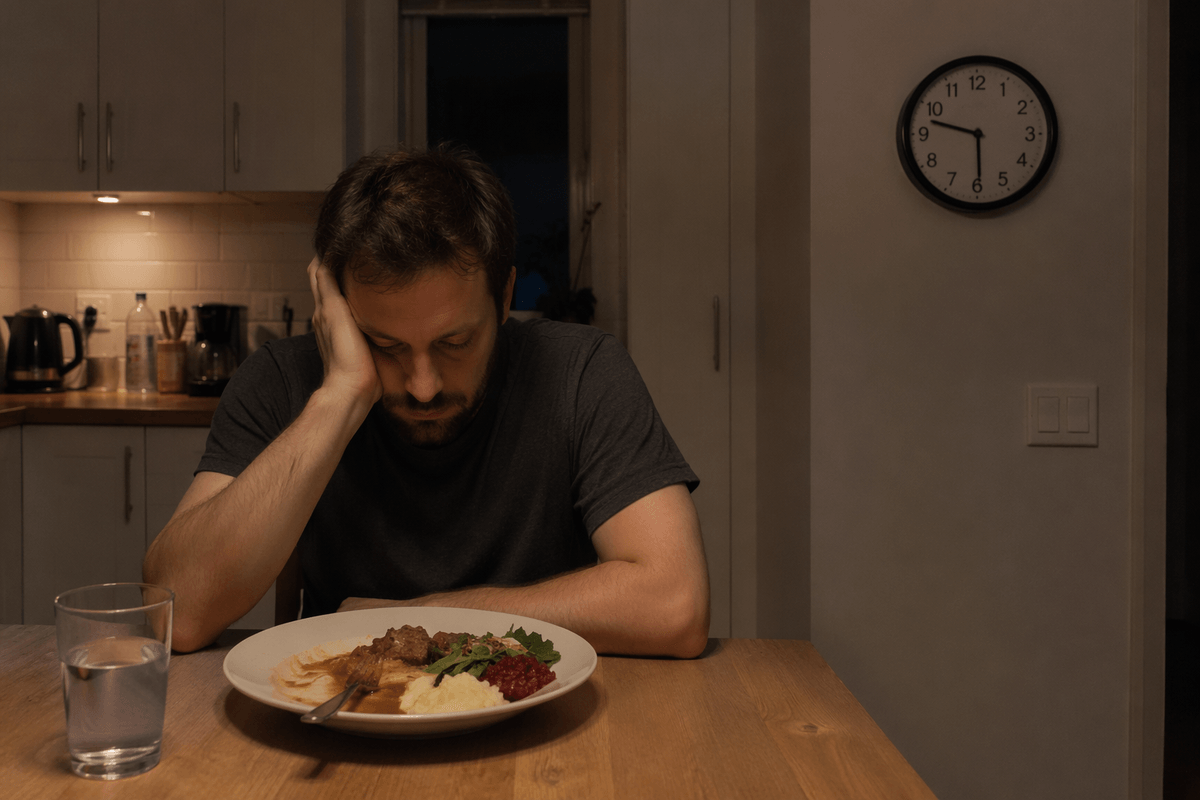
The clock can feel loud when you realize dinner happened at 9:30, especially if you’ve heard that anything after “a certain time” turns straight into fat. But late eating often shows up after a day that was already off: a rushed breakfast, a lunch that never really happened, and a long stretch of decision-making with not much real fuel.
When you finally sit down, the meal can look like the problem because it’s the last thing you remember. In many situations, though, what matters more is the total amount and how consistent it was across the day. If you’re under-eating earlier, hunger signals tend to stack up—so the late meal gets bigger, faster, and easier to overshoot, not because it’s “late,” but because it’s doing the job of several missed chances to eat.
A heavy meal right before bed may feel uncomfortable, can worsen reflux in some people, or leave sleep lighter—then the next day starts with lower energy and stronger cravings. That’s why the pattern can feel like a rule, even when the real lever is how the day was paced.
Detox cleanses sell hope, not physiology
It often shows up the morning after a weekend of takeout and drinks: you wake up puffy, a little sluggish, and the “reset” ad suddenly makes sense. A few days of juices or teas feels like it would undo the feeling fast. And when the scale drops, it’s easy to believe something toxic finally “left.”
But a lot of that quick change is ordinary fluid shifts and a lighter gut, not a special cleanse pathway. When you cut salt, alcohol, and larger portions for a few days, your body holds less water. When you eat less solid food, there’s simply less moving through digestion. The liver and kidneys are already doing the filtering work; the cleanse usually just changes intake enough that the symptoms you noticed—bloating, heaviness, irregularity—temporarily ease.
If the cleanse leaves you underfed, hunger can come back sharp, and the next meals feel unusually easy to overshoot. That rebound can look like “needing another detox,” when it may really be your body pushing for normal fuel again.
Fat-free foods can backfire on fullness
You notice it halfway through the afternoon: the “fat-free” yogurt felt responsible at lunch, but now you’re thinking about snacks in a way that feels louder than it should. Sometimes it’s not that the portion was small—it’s that it didn’t land. The label promised lightness, and your brain took that as “this should be enough,” even as your appetite kept checking back in.
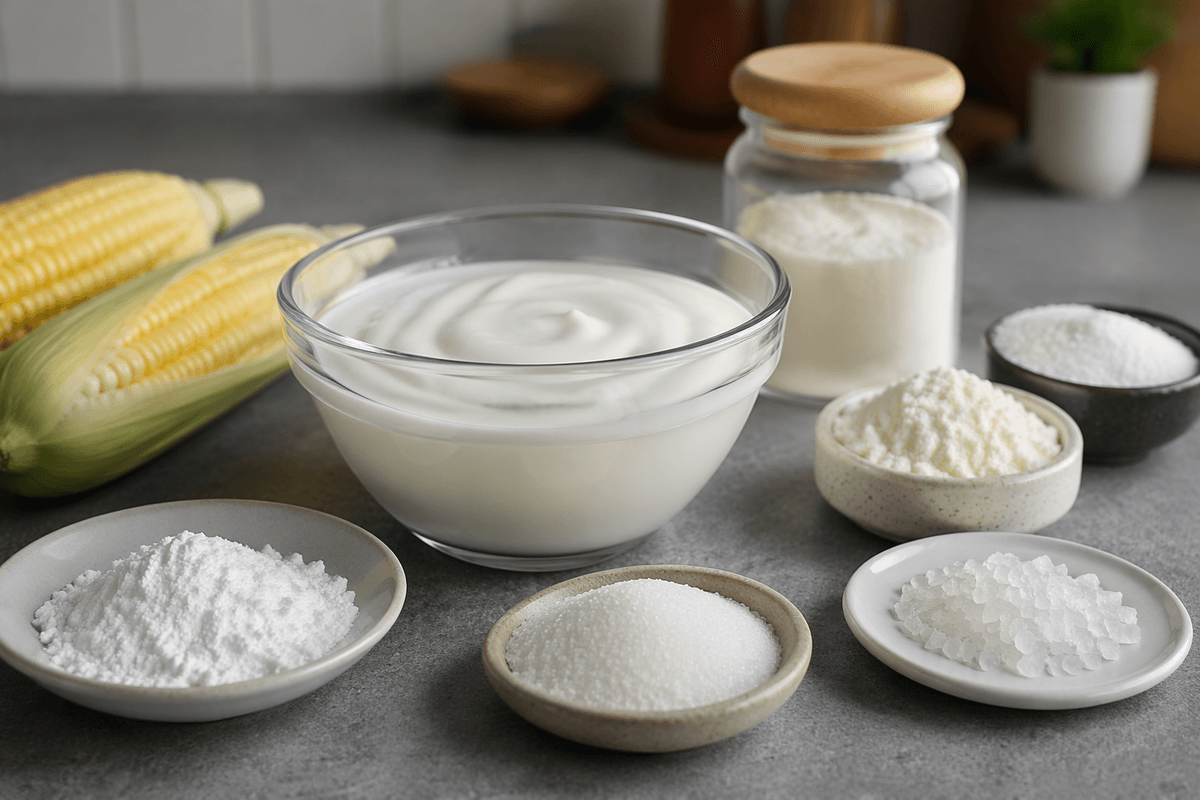
Fat tends to slow how quickly a meal leaves the stomach and it also carries flavor, which is part of what makes food feel satisfying. When fat is stripped out, the food can digest faster and feel less “complete,” especially if it’s also low in protein or fiber. To make up for the missing taste and texture, some fat-free products lean on added starches or sweeteners, which can make them easy to eat quickly without much staying power.
A fat-free choice might feel fine on a low-stress day, then backfire when you’re already tired and running on a thin lunch. That’s when “I ate healthy” turns into grazing, not because you did something wrong, but because fullness is more than a number on the label.
High-protein doesn’t mean unlimited calories
It’s easy to feel reassured when a snack says “20g protein,” especially on a day when you’re trying to keep your appetite under control. You finish it and expect the hunger to stay quiet for hours. But sometimes the day still drifts toward extra bites—another bar, a “protein” coffee, the handful of nuts—because each choice feels like the safe one.
Protein can help with fullness because it tends to digest more slowly and it supports repair and recovery, so it often steadies appetite better than a sugary snack. The misunderstanding is treating “high-protein” like “free.” Many protein foods are also calorie-dense (think shakes, cheeses, nut-based snacks), and they can slide in on top of regular meals without you feeling like you ate “more.”
It gets messy in real life: a higher-protein lunch may reduce snacking, while a higher-protein day made of packaged add-ons can quietly push intake up. When progress feels random, it’s often that trade-off—not a failure of protein, just the way convenience changes portions.
Natural and organic labels don’t guarantee health
You can feel the confidence bump just standing in the aisle with a carton that says “organic” and a bag stamped “all natural.” It’s a small relief, like you’ve already done the hard part. Then later you’re still sleepy after lunch, or strangely hungry an hour after what looked like a “clean” snack, and it’s confusing because the label felt like a guarantee.
Those words mostly describe how an ingredient was grown or how a product is positioned, not how filling it will be or how it will behave in your day. An organic cookie is still a cookie. A “natural” juice can still be a quick hit of sugar without much fiber to slow it down. And plenty of organic packaged foods are designed to be easy to eat fast—soft textures, mild flavors, low effort—so it’s easy to overshoot before fullness catches up.
On a low-stress day, “better” swaps may feel fine; on a rushed day, they can leave your appetite searching for something more substantial. That mismatch is often about satisfaction and portion, not morality—and the label doesn’t measure either.
Supplements can’t reliably replace real meals
Some afternoons it starts with a hollow kind of energy—your stomach isn’t exactly growling, but your focus won’t lock in. You realize lunch was a scoop of powder shaken with water, grabbed between errands, because it felt cleaner than “real food.” Then an hour later you’re roaming the pantry anyway, annoyed that the “healthy” choice didn’t buy you much time.
Supplements can be useful, but they’re built for convenience, not for the full job a meal does. A shake might deliver protein, yet still miss the chew, volume, and mix of fiber and fats that help fullness last. Without that slower digestion and sensory satisfaction, appetite signals can come back quickly, even if the label looks impressive.
It also gets inconsistent because powders and pills don’t respond to the day you’re having. Stress, poor sleep, and a harder workout can raise hunger in ways a “set” supplement routine doesn’t match. When the gap keeps showing up—energy dips, snackier evenings, or stomach discomfort—it’s often less about discipline and more about the limits of a shortcut.