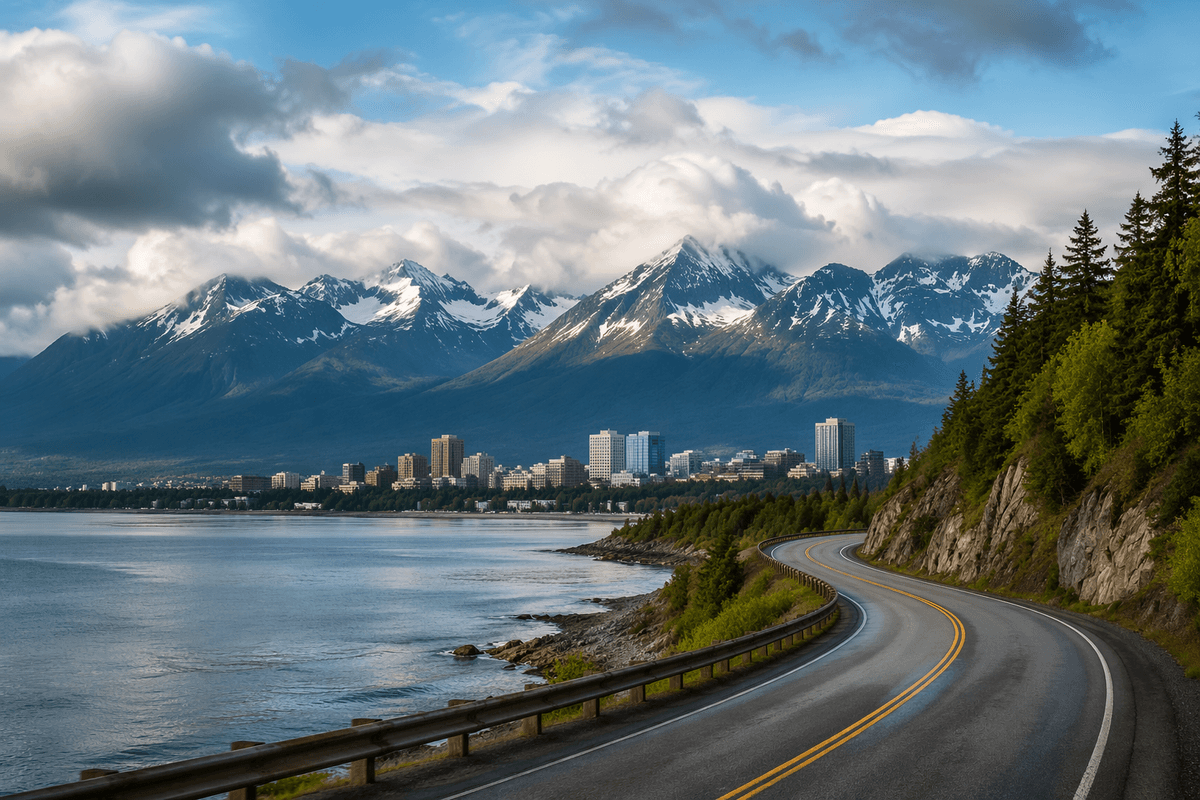
Anchorage: frontier city or tourist hub?
I landed thinking Anchorage would be a quick supply run before “real Alaska,” and that assumption is exactly where plans get sloppy. Anchorage can feel like a tourist hub—airport hotels, tour vans, souvenir-heavy blocks—especially if you only skim downtown at peak summer hours. But it also works as a frontier city in the practical sense: a place where you can make weather calls late, swap plans fast, and still salvage a day with mountains or museums when the clouds don’t cooperate.
The decision that keeps you sane is this: use Anchorage for flexibility, not for volume. In-town sights (like the Anchorage Museum or a coastal walk) are low-commitment and weather-proof, which matters when rain rolls in or you’re jet-lagged. The catch is that the “wow” factor can feel muted compared to what’s 45–90 minutes away, so it’s easy to dismiss the city too quickly.
If you have 4–6 days, I’d treat Anchorage as your base for two kinds of days: one slower, city-forward day to recover and orient, and two to three excursion days where you accept the friction—driving, tour timing, and variable visibility—as the price of the scenery.
When to go: weather, daylight, and crowds
On my first morning I opened the curtains to a wall of gray and realized “summer in Alaska” is a promise with fine print. The easiest framework is to decide what you’re optimizing: visibility for mountains, wildlife odds, or simply having enough daylight to absorb a slow start. Peak summer (roughly mid-June through July) buys you long evenings and lots of tour options, but it also concentrates crowds downtown and on the Turnagain Arm pullouts—great for convenience, less great if you hate feeling herded.
Shoulder season (late May or late August into early September) can feel more like Anchorage at a human pace: fewer lines, slightly easier reservations, and a softer price curve on some hotels. The constraint is that weather gets less predictable in a way that matters—cloud ceilings can erase your “big view” day trips, and cooler, wetter stretches make long scenic drives feel like work. If your trip is only 4–6 days, I’d bias toward more daylight unless you’re comfortable building in a museum-and-food fallback day when the mountains vanish.
Neighborhoods and bases: where to stay
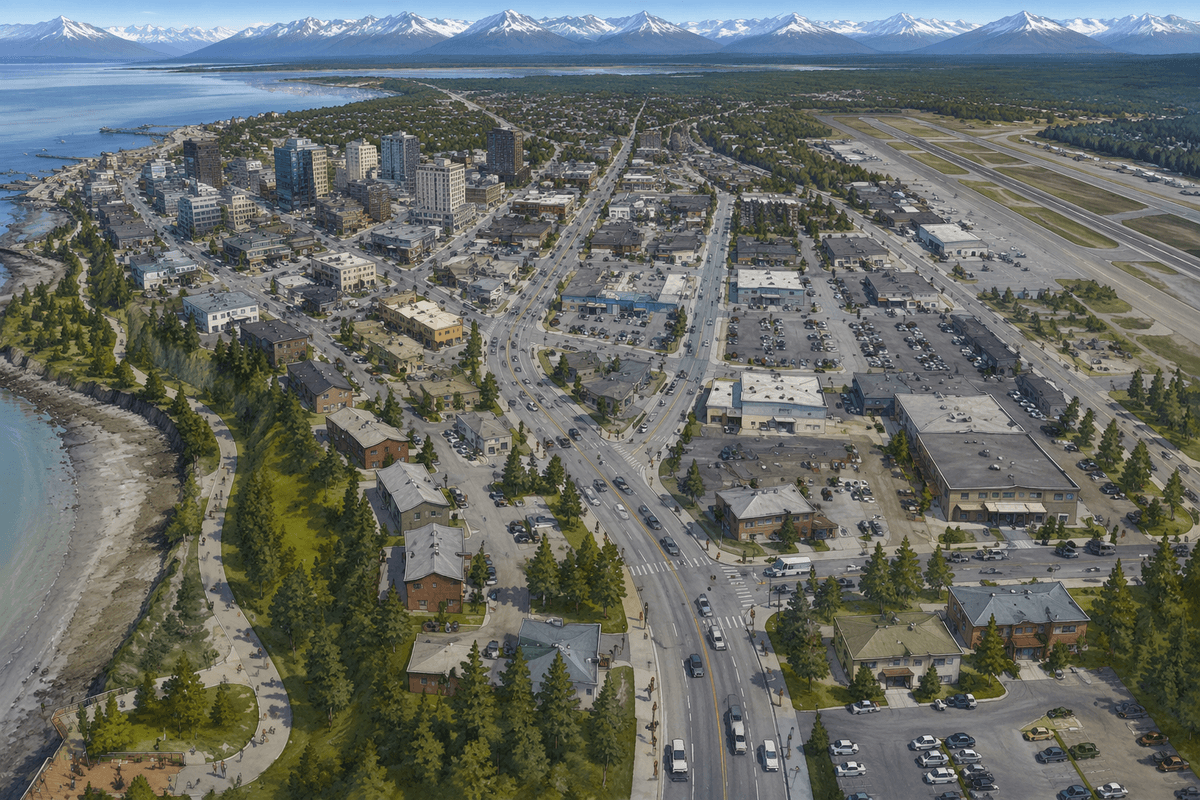
The first real decision isn’t “which hotel,” it’s whether you want to solve Anchorage on foot or from the driver’s seat. Downtown feels convenient when you’re tired: you can walk to the museum, coffee, and a coastal stretch without committing to a full-day plan. It works best if you’re pairing one city day with early starts for excursions, because downtown parking can be annoyingly limited (and occasionally expensive) once you’re back at peak dinner hours.
Midtown is the less romantic but often smoother base for a 4–6 day trip with day trips: easier access to big roads, more consistent parking, and plenty of mid-range chains that won’t force you into a splurge. The catch is you’ll spend more time driving for anything “Anchorage-y,” and after a long day on Turnagain Arm, one more 12-minute hop to find dinner can feel like extra homework.
If you’re minimizing hassle, I’d avoid the airport strip unless your flight times are awkward or you’re skipping a rental car for a night. It’s functional, but the surroundings don’t encourage exploring, and rides add up fast. For most first-timers, downtown for texture or midtown for logistics is the cleanest fork in the road.
Top experiences: wildlife, mountains, museums
I hesitated between “save wildlife for a day trip” and “do something easy today,” and Anchorage is one of the few places where you can split the difference without wasting a whole day. If you want the highest certainty-per-hour, start with the Anchorage Museum: it’s the cleanest hedge against rain, smoke, or low clouds, and it gives your later scenic drives more context. The limitation is emotional, not practical—after you’ve seen a few jaw-dropping Alaska photos, indoor exhibits can feel quieter than you expect, so it plays best as a morning anchor, not the grand finale.
For mountains, I liked treating Flattop as a “visibility test” rather than a must-do hike. When the Chugach are out, you’ll feel like you got your wilderness hit without committing to a full excursion day; when they’re socked in, you haven’t burned much time. The catch is that even short hikes can feel longer in wind or drizzle, and a late start crowds the trailhead and turns the climb into more of a line than a ramble.
For wildlife, the Alaska Native Heritage Center can be a smart in-town choice if you’re short on transport or the roads look questionable—culture and an easy loop of walking with fewer moving parts than a tour pickup. If you’re craving animals specifically, you’ll usually get better odds (and better photos) by paying for a dedicated wildlife outing, but that convenience comes with fixed schedules that don’t care if the weather suddenly improves downtown.
Day trips that define Anchorage’s frontier feel
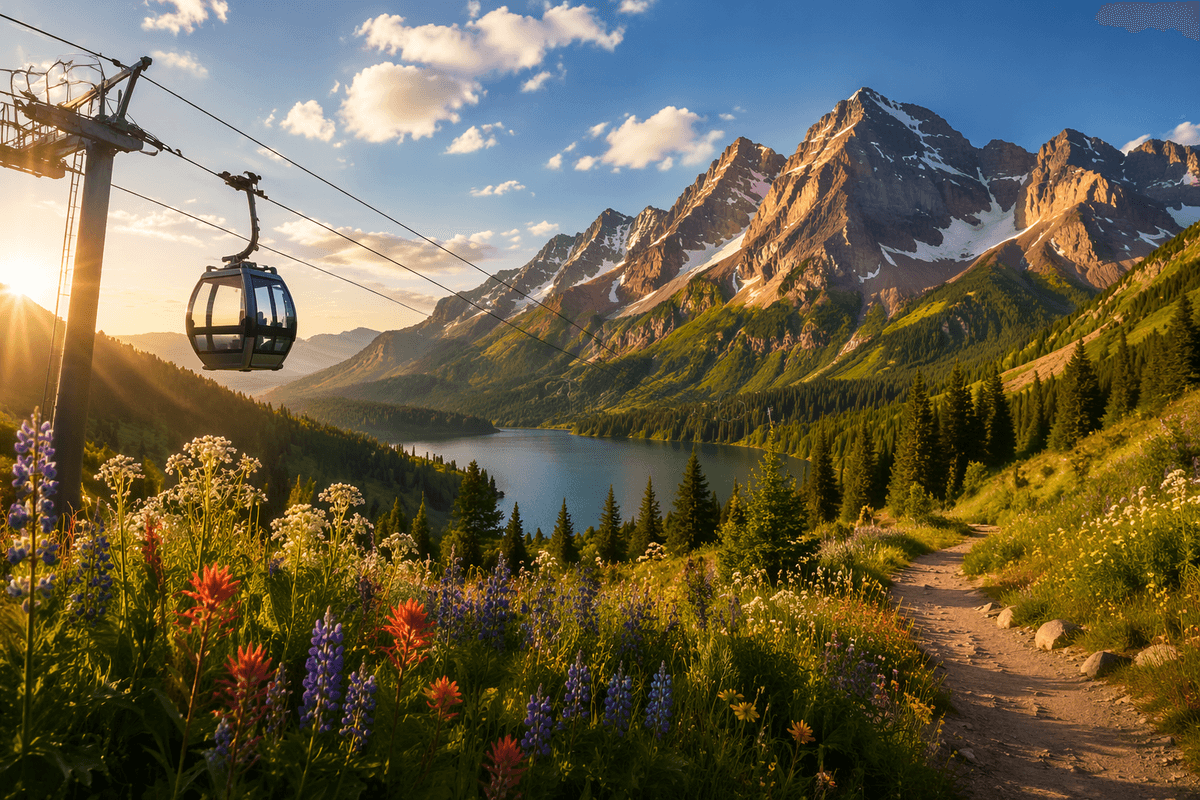
I realized on day two that “just popping down the road” in Alaska is still a real commitment—mostly because the weather can turn a scenic drive into a gray tunnel. If you only pick one easy, high-payoff outing, I’d make it Turnagain Arm to Girdwood: it’s close enough to bail out if visibility collapses, but dramatic enough that a single clear stretch feels like a win. The friction is timing—midday pullouts get busy in summer, and stopping too often can quietly eat the hours you meant to spend on a tram ride or a short hike.
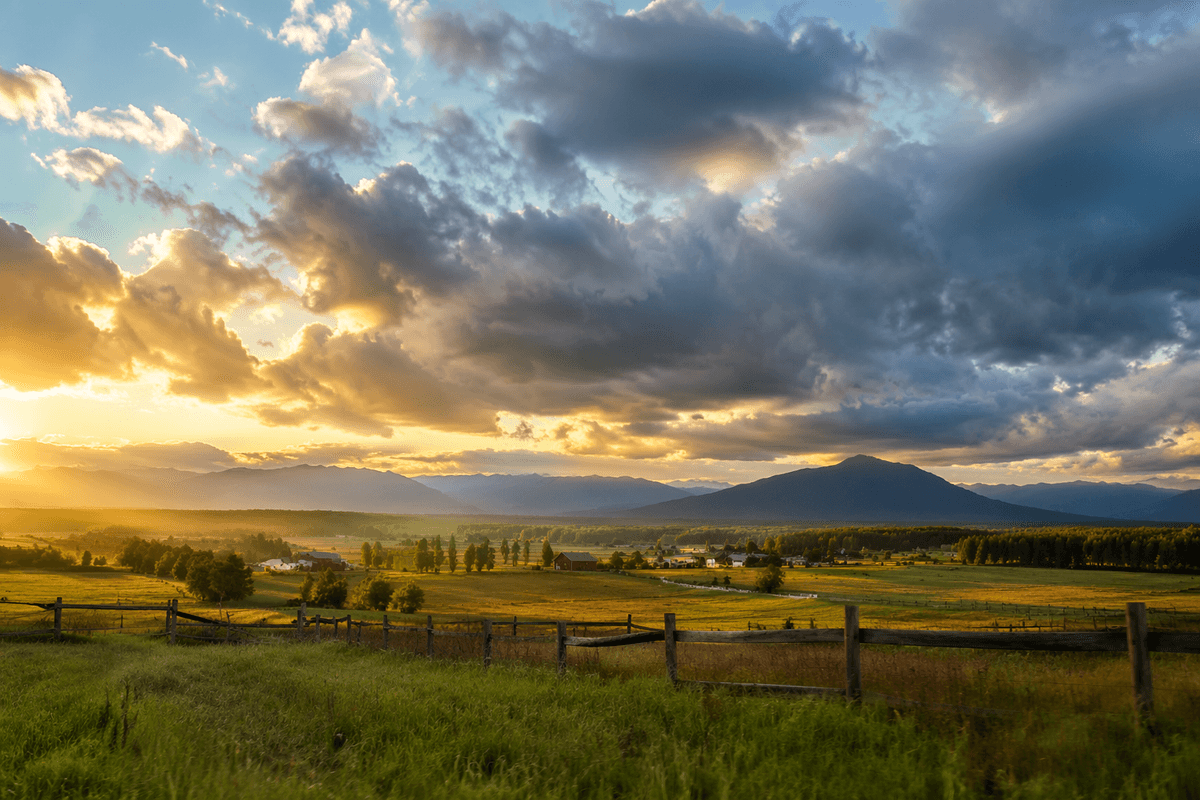
If you want something that feels more frontier than postcard, the Matanuska Valley (Palmer area) is a good “wide-open” counterbalance to the coast. It’s less about one headline stop and more about the scale—big sky, farms, and a different rhythm—though it’s also less plug-and-play without a car, and the best moments can be maddeningly dependent on light. For longer swings (toward Denali links), I’d only do it as a day trip if you’re comfortable treating the drive as the point; otherwise, the round-trip time makes the day feel like a checkbox rather than an experience.
My practical pacing rule: schedule one “close-range” day trip (Turnagain/Girdwood) early, then keep one later day flexible for whichever forecast looks clearest—mountains, wildlife, or just a salvageable drive. It’s not romantic, but it’s how Anchorage stops being a stopover and starts working like a base.
Making it yours: your ideal Anchorage itinerary
On my last planning night I caught myself trying to “perfect” the sequence, and Anchorage punished that mindset immediately—because the best version of this trip is the one that can bend. If you’re here 4–6 days, start by locking only what’s hard to move: your car rental days (if you’re getting one), one timed tour you’d regret missing, and one museum/city block that works in rain. Everything else should be a swap, not a failure, when clouds drop or traffic slows the Turnagain Arm pace.
A sample rhythm that worked: Day 1 keep it in-town (museum + an easy coastal walk) so jet lag and weather don’t tax you; Day 2 make Turnagain Arm/Girdwood your “big scenery” day with an early start to beat pullouts filling up; Day 3 go culture/wildlife in Anchorage if visibility is low, or Flattop if it’s clear; Day 4 choose your longer drive only if the forecast is genuinely good, because a gray-out turns that time into pure logistics. With 5–6 days, add one deliberately unscheduled day for the best-looking window—Anchorage rewards patience more than ambition.