Why Aspen shines beyond ski season
The first time I looked at a July calendar for Aspen, the friction wasn’t the weather—it was the logistics: shuttles, timed entries, and the uncomfortable thought that a “mountain getaway” might require more spreadsheet than spontaneity. Still, summer here works because the iconic scenery is accessible without being locked behind a single sport, and you can build days that mix big views with recovery time when altitude hits harder than expected.
Aspen beyond ski season feels like a choose-your-own-intensity trip: you can ride a gondola for immediate payoff, chase wildflowers on a short trail, or commit to marquee outings like Maroon Bells and Independence Pass that reward early starts but punish late planners. In peak July/August, the places that look effortless on Instagram often come with a queue, a shuttle window, or parking constraints—worth it, but only if you accept that “iconic” usually means “shared.”
What makes it shine is how well it supports a 4–5 day rhythm: one high-effort morning, one lighter culture-and-food afternoon, and a built-in backup when storms roll in. The cost is real, but a couple of strategic splurges land better in summer because the scenery does so much of the work.
Picking your base: Aspen, Snowmass, Basalt, Carbondale
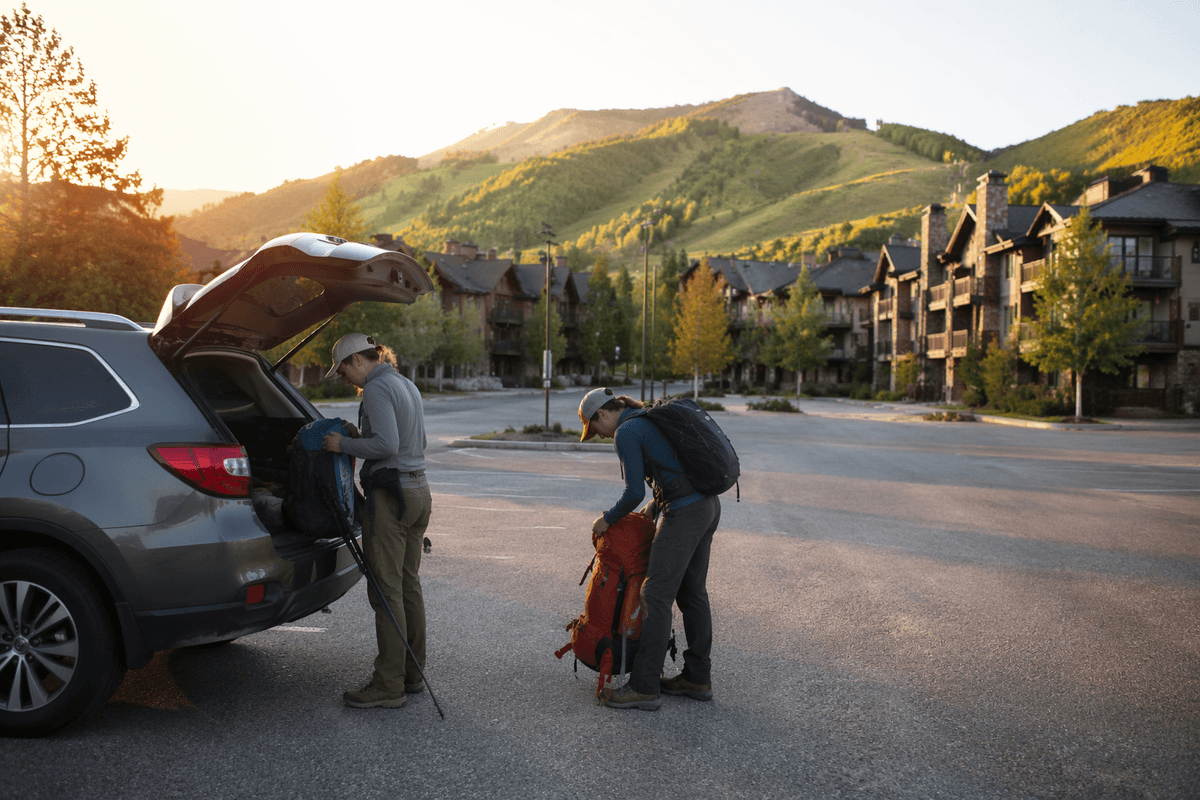
On our first lodging search, Aspen looked like the obvious answer—until we priced out “walk to dinner” convenience and realized we’d be paying a premium to avoid a nightly parking shuffle. If you want late dinners, cocktails, and the option to bail on driving after a long hike day, Aspen is the simplest base, but it’s also where availability tightens fastest and reservations feel mandatory rather than optional.
Snowmass is the calmer counterpoint: more space, easier parking, and mornings start with less friction, especially if you’re prioritizing hikes and an early-to-bed altitude adjustment. The catch is that “quiet” can translate to “less spontaneous,” and you’ll drive into Aspen for the best food/culture nights—fine with a rental car, annoying if you’re trying to keep evenings effortless.
Basalt and Carbondale tend to win on value and breathing room, and they’re great if you’d rather put money into one splurge meal or a gondola day. But you pay in commute time (and decision fatigue): you’re committing to driving, managing trailhead timing more carefully, and accepting that a quick midday reset back at the hotel usually isn’t happening.
Signature summer experiences: gondola views, lakes, wildflowers
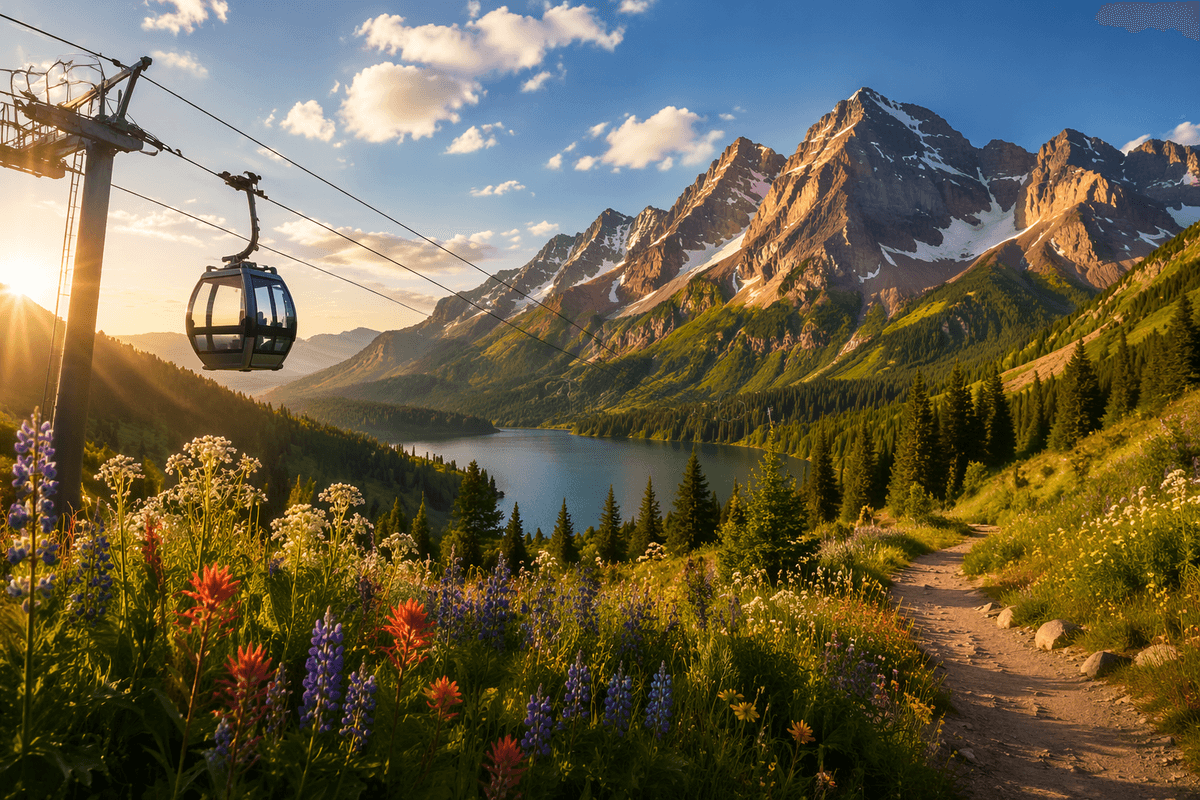
The first “do we really need this?” moment for us was the gondola ticket—until we did it on a slightly hazy afternoon when our legs were already cooked. Aspen Mountain’s Silver Queen is the most instant-gratification view in town, and it doubles as an altitude-friendly move because you can get the scenery without committing to a long climb. It’s not cheap, and mid-day lines can feel like you’re paying to wait, but as a first-day or storm-threat backup, it earns its keep more than another ambitious hike you’ll abandon at 1 p.m.
Maroon Bells is the opposite: iconic enough to justify the early alarm, but structured enough to punish improv. If you don’t sort out shuttle/timed entry ahead of time, you’re gambling your best morning on luck, and July/August is not a forgiving season for that. The lake-level stroll gives you the postcard even if altitude is nagging, while the longer routes (like Crater Lake) feel better as a second or third day when you know how your body’s reacting.
For wildflowers, we had better luck treating them as a “bonus layer” rather than the whole plan—Independence Pass pullouts and short trails can deliver huge color with minimal effort, but weather swings fast and parking is finite. The sweet spot was starting early, keeping a short-loop option in our pocket, and saving the harder mileage for a day that actually felt stable.
Outdoor planning: hikes, bikes, rafting, and altitude reality
Our first real planning hesitation wasn’t which hike to do—it was whether we’d feel decent enough at 8,000 feet to do anything ambitious on day one. If you’re coming from sea level, build in a “test morning” instead of forcing a marquee trail immediately: a shorter Aspen-area hike or an easy gondola-assisted walk lets you calibrate headaches, sleep quality, and pace without burning your best weather window. The limitation is psychological as much as physical: it can feel like you’re wasting time, but it’s usually cheaper than losing an entire afternoon to nausea and a nap you didn’t plan for.
For hiking, the biggest win is choosing routes that still look good if you turn around early—lakes and valley trails do this better than exposed ridgelines. Start earlier than your city brain thinks is necessary, because July/August afternoons often bring storms and the trailheads that “should” have parking at 9 a.m. can already be in overflow mode. If you want a bike day, consider it a leg-saver with a cost: rentals add up, and popular paved paths can feel crowded and stop-and-go, but it’s a smart way to see scenery without stacking more elevation gain.
Rafting is the cleanest alternative when weather gets moody or your lungs aren’t cooperating—still outdoors, but with less altitude strain. The catch is scheduling: outfitters’ morning trips can collide with your “early hike” plan, so it works best as a deliberate swap, not an add-on you cram into an already full day.
Food, culture, and events that justify downtime
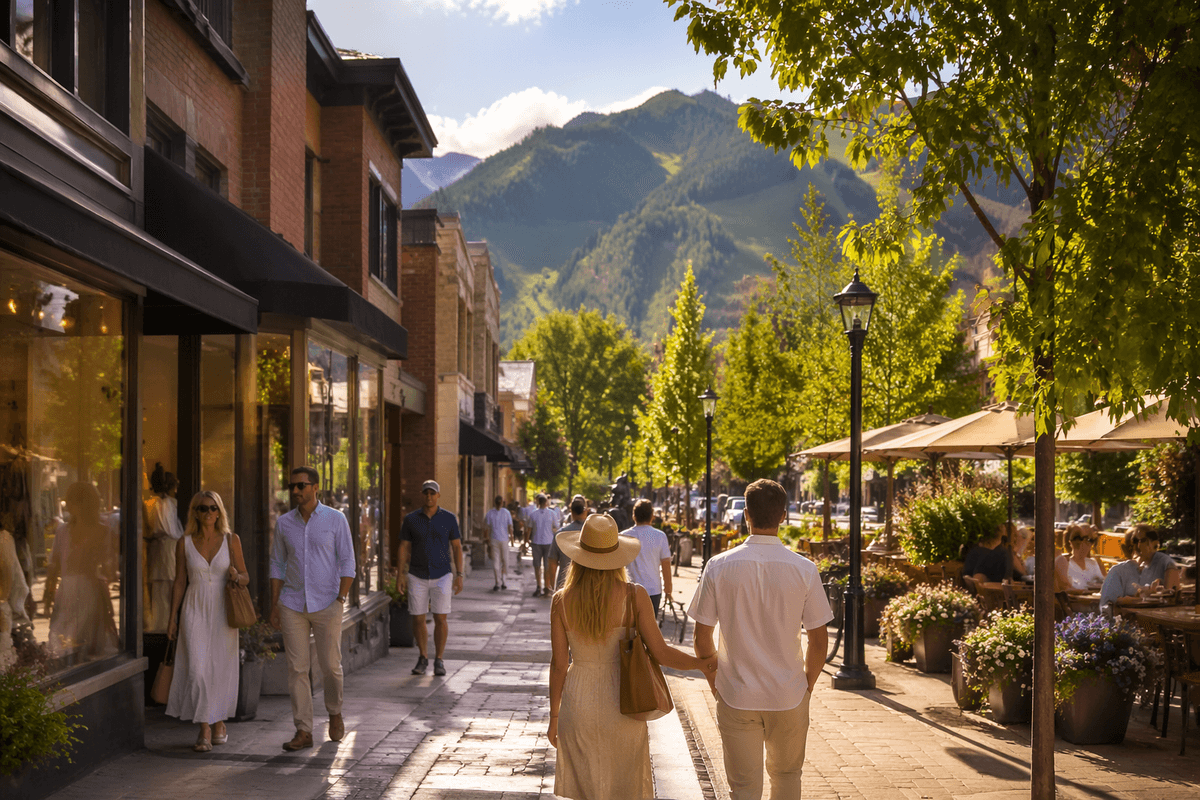
After our first big morning, the most valuable “plan” was admitting we didn’t want another shuttle window to chase. Aspen’s core is built for a low-effort afternoon: galleries, the pedestrian streets, and an unhurried lap through town that still feels like you did something. The catch is that peak summer turns casual into competitive—if you want one splurge dinner, book it early, because walk-in flexibility shrinks fast once the weather is perfect and everyone has the same idea.
For mid-range meals, lunch becomes the pressure-release valve: easier reservations (or none), lower stakes if altitude has flattened your appetite, and you’re not driving back to Basalt/Carbondale in the dark if you overstay dessert. If you’re based in Snowmass, it’s worth choosing one “Aspen night” and making it count—otherwise you’ll spend the week paying Aspen prices in daylight, then leaving right when the town gets fun.
Events are the wildcard that can either anchor a day or derail it. In July/August, check calendars before you lock dinners: a concert or festival can make parking and tables tighter, but it also solves the “what now?” gap when storms kill an afternoon hike and you don’t want to default to scrolling in your hotel.
A simple decision checklist for your perfect Aspen summer
The night before your first big day, run a quick checklist: if you’re headachey or slept badly, choose the gondola or a shorter lake/valley hike so you’re not forcing a summit pace at altitude. If skies look unstable, front-load the morning and keep one “town afternoon” in reserve, because stubbornly chasing mileage is how you lose both the hike and the evening. And if you haven’t locked Maroon Bells logistics, don’t pretend you’ll wing it in July/August—build your day around what’s actually bookable.
For a 4–5 day trip, I’d pick two “musts” (one marquee nature morning, one splurge meal) and let the rest flex; over-scheduling is the fastest way to turn Aspen into a queue. If you’re choosing between Aspen and Snowmass, decide which friction you’d rather pay: nightly driving/parking, or higher lodging costs for walkable dinners.