Why inspect AmaDante on the Seine?
I almost skipped the AmaDante inspection because, on paper, a Seine sailing can look interchangeable: Paris bookends, Normandy in the middle, and a familiar mix of walking tours and museums. But with a $7–10k per-person budget, the difference between “easy luxury” and “why are we stressed?” usually lives in small things—how smoothly you get on/off in ports with tricky moorings, how the daily rhythm handles early-start excursions, and whether the ship’s flow supports quiet downtime when you’re not sightseeing.
AmaDante is worth a closer look on the Seine specifically because logistics matter more here than on some other rivers: transfers in and out of Paris, coach hops toward Normandy sites, and the reality that you won’t always be docked in the postcard-perfect spot. If you’re the kind of couple that wants strong excursions but limited surprises in cabins, dining, or pacing, an inspection mindset—what’s included versus what quietly costs extra, and what “comfort” actually feels like at 6:30 a.m.—pays off fast.
Ship first impressions: layout, flow, and vibe
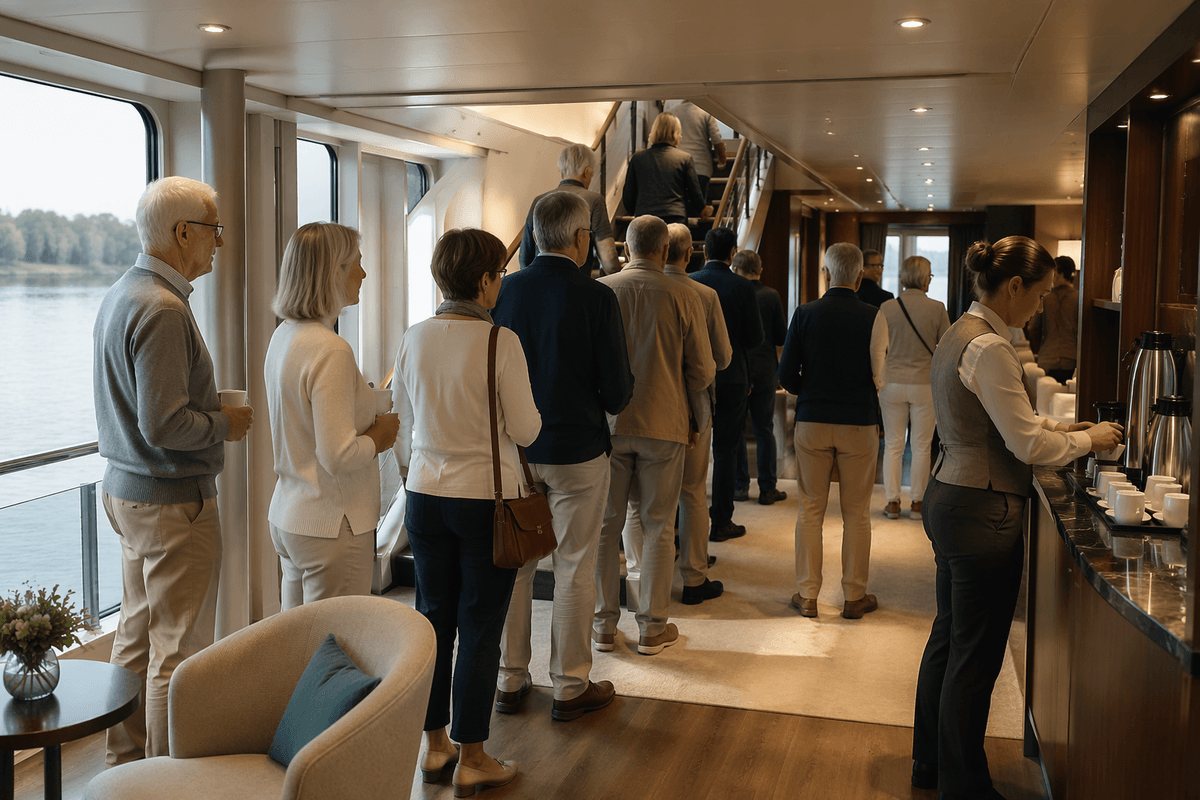
The first thing I noticed stepping aboard was that the AmaDante feels intentionally compact rather than “small,” which is calming after a travel day—there aren’t endless corridors to decode, and you can get from your cabin to coffee to the gangway in a couple of minutes. That said, the same efficiency means pinch points show up at predictable times: pre-excursion mornings and right before dinner when everyone funnels toward the lounge. If you’re allergic to crowds, the ship rewards an earlier rhythm—five minutes ahead of the pack makes the flow feel seamless.
Layout-wise, it’s straightforward: public spaces are easy to find without a ship map, and sightlines tend to be open enough that you can tell where the energy is (or isn’t) before you commit. The vibe reads “quietly polished” rather than flashy—more soft conversation and routines than big-ship entertainment—which works well for a couple who wants easy luxury without being sold an onboard scene.
One practical limitation: when the Seine itinerary stacks early starts (especially with coach-heavy Normandy days), the ship can feel like it’s running on a tight clock. It’s efficient, but you’ll feel it if you like slow mornings—your best workaround is treating the lounge as your reset zone between excursions and dinner, because it’s the one place that reliably absorbs people without feeling hectic.
Staterooms and suites: comfort, storage, noise
I hesitated over cabin category more than I expected, because on the Seine you’re in and out early and you actually use the room: quick showers, a mid-afternoon reset, maybe a quiet hour while the ship repositions. The standard staterooms feel well-finished and sensibly laid out, but they don’t forgive overpacking—storage works best with soft-sided bags you can flatten and slide out of the way. If you travel with structured luggage (or you both insist on unpacking everything), you’ll feel the squeeze by day two.
The real comfort jump is the balcony-style setup in the higher categories: it gives you a “private” place to sit that isn’t the lounge, which matters when the public spaces compress around excursion times. The limitation is that you’re paying for flexibility more than square footage—on a route with coach days, that extra breathing room can feel worth it; on a city-heavy week where you’re rarely in the cabin, it’s a nicer-to-have.
Noise-wise, it’s generally quiet, but not soundproof: docking and early-morning movement can travel, and cabins closer to high-traffic routes feel it most at 6–7 a.m. If you’re light sleepers, choosing a slightly more sheltered location can buy you more rest than upgrading finishes.
Dining, bars, and service rhythm onboard
The first night I watched the dining room clock the room like a metronome: pleasant, unhurried service—but clearly calibrated around the next morning’s excursion load. It works well if you like a predictable cadence (cocktail, dinner, done), yet it can feel a touch “scheduled” if your ideal is lingering over a second glass while the room slowly empties.
Food quality read as consistently polished rather than showy—menus that make sense after a long day on coaches, with enough French-leaning choices to match the route without turning every meal into a theme. The limitation is variety over a 7–8 night sailing: if you’re picky-eaters or you prefer bold, experimental plates, you may find yourself ordering the safest option more often than you expected. Breakfast is where the ship’s rhythm matters most: it’s efficient and early-start friendly, but peak minutes stack fast, so showing up even 10 minutes earlier can mean a calmer table and quicker coffee.
The bar/lounges feel more “pre-dinner decompression” than nightlife, which suits a well-traveled couple who’d rather be rested than entertained. Just know that on heavy touring days the energy dips early; if you want a later evening, it’s usually better to make that choice intentionally (one more drink now, or protect sleep for tomorrow’s departure time).
Facilities and inclusions: wellness, lounge, tech
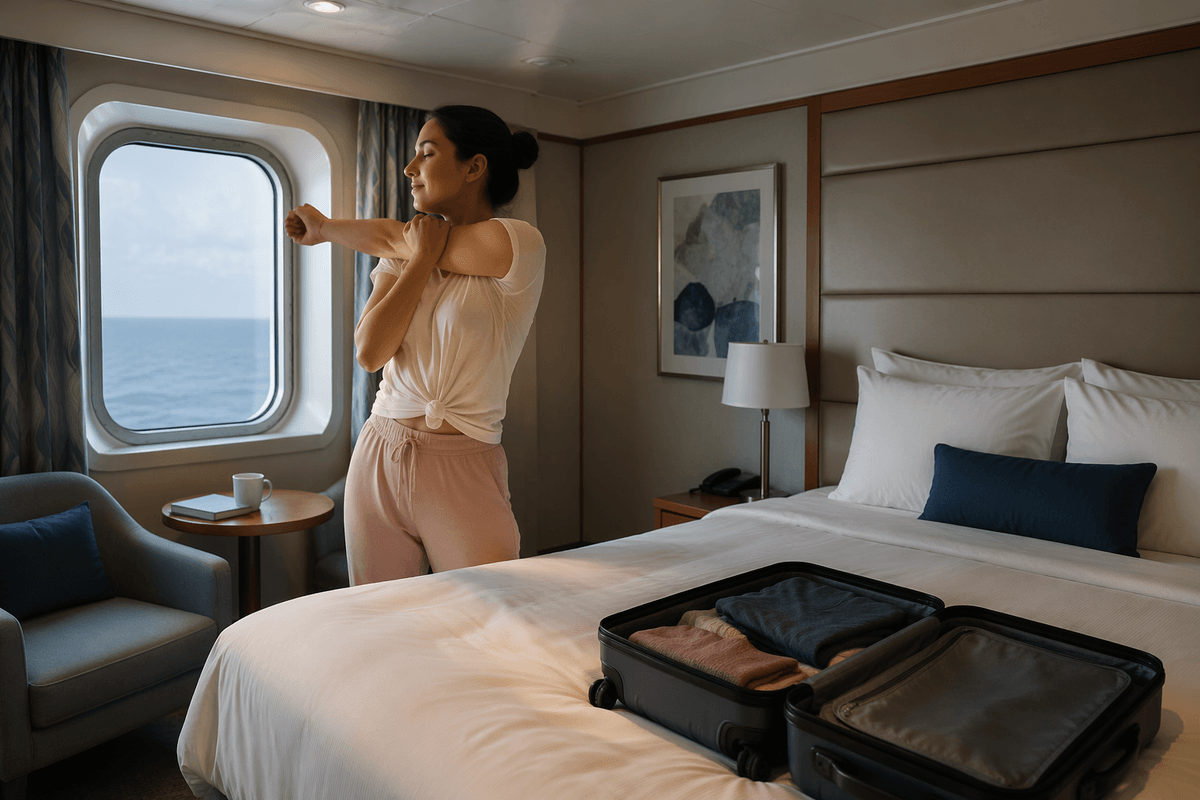
I tried to use the wellness spaces the way you actually would on a Seine week—ten minutes here, a quick reset there—and that’s where AmaDante mostly delivers. The fitness area is enough for “keep the joints happy” workouts, but it’s not a destination gym; if you’re counting on long treadmill sessions, you’ll feel the limits fast. What works better is treating it as a morning loosener before a walking tour, then saving your real recovery for a quiet stretch in your cabin or a lap or two if the sun deck is usable (weather can take that option off the table without warning).
The lounge is the most functional inclusion onboard because it absorbs the daily peaks: pre-excursion briefings, post-tour decompression, and those in-between windows when you want a drink without committing to a full event. It’s comfortable, but it can get conversationally loud when everyone returns at once, so if you’re sensitive to noise, you’ll want to stake out a corner early rather than hoping it stays hushed.
Tech is practical rather than fancy: Wi‑Fi and connectivity are “good enough” for checking plans and messages, less reliable for anything bandwidth-heavy, especially when the ship is moving or everyone is online at the same time. If you need a frictionless work setup, bring patience—and a backup plan like downloaded maps and offline reading.
Who it fits—and your final go/no-go
The AmaDante fits a well-traveled couple who likes days that run on rails: strong guided mornings, a reliable return-to-ship reset, and evenings that wind down early without you having to manufacture entertainment. It works especially well if “easy luxury” means quiet polish and low decision fatigue—not sprawling space—because the ship’s compact flow feels calming until everyone hits the same corridor at the same time.
My go/no-go is simple: book if you’re comfortable with a purposeful pace and you’ll pay a premium for a balcony-style cabin mainly to create breathing room during peak moments. Pause (or compare other lines) if you’re light sleepers who hate early-morning motion noise, or if you want dinners that stretch late with more culinary surprise. If you’re in the “no surprises” camp, your best move is choosing location for sleep first, then category for comfort.