Five-night Zihua setup
The first decision we almost overthought was whether to base in Zihuatanejo (Zihua) or Ixtapa—and it really comes down to what you want to be easy at 8:30pm when you’re tired, slightly sunburned, and your Spanish is running out. Zihua wins for walkability and food you can reach without committing to a taxi every time; Ixtapa wins for “everything is handled” convenience, but it can feel like you’re commuting to the town you actually want to eat in. For five nights, we leaned Zihua because it keeps the short trip from turning into a series of little logistics decisions.
Framework-wise, we treated it like: one arrival night that stays local, two “big water” days (beach + island), one town/market day that’s flexible for weather, and one long-beach reset day. That order matters in rainy season: put your must-do swim/snorkel earlier, and keep the town day as your pressure-release valve if a morning storm rolls through. The plan stays simple, but not fragile.
Logistics that were worth deciding once: book an airport transfer if you hate haggling when you land (it’s not hard, just mentally expensive), and assume you’ll use taxis more than you think if midday heat spikes. Carry more cash than feels normal for meals and beach days—ATMs can be finicky—and plan for small friction like bugs at dusk and choppier water on open beaches. Nothing is deal-breaking, but it’s easier when it’s not a surprise.
Night1 Arrive | Must: Sunset | Opt: Tacos | Skip: Bars
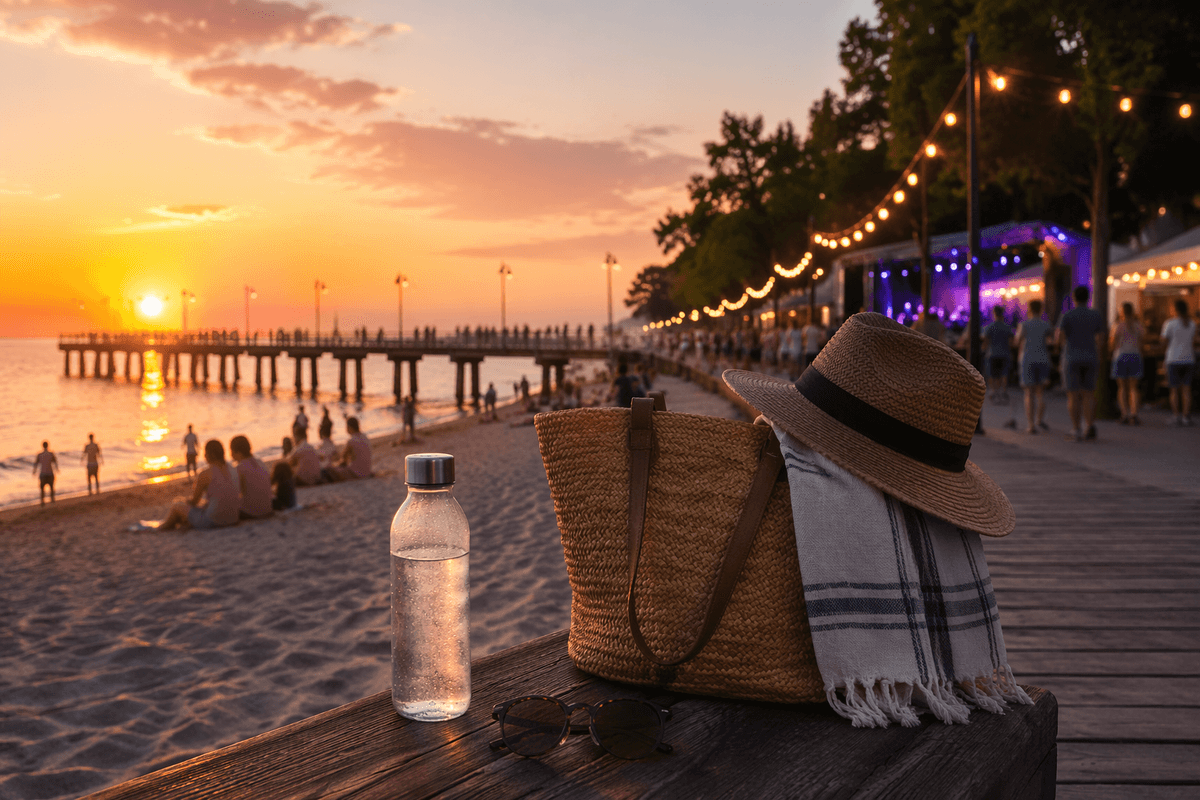
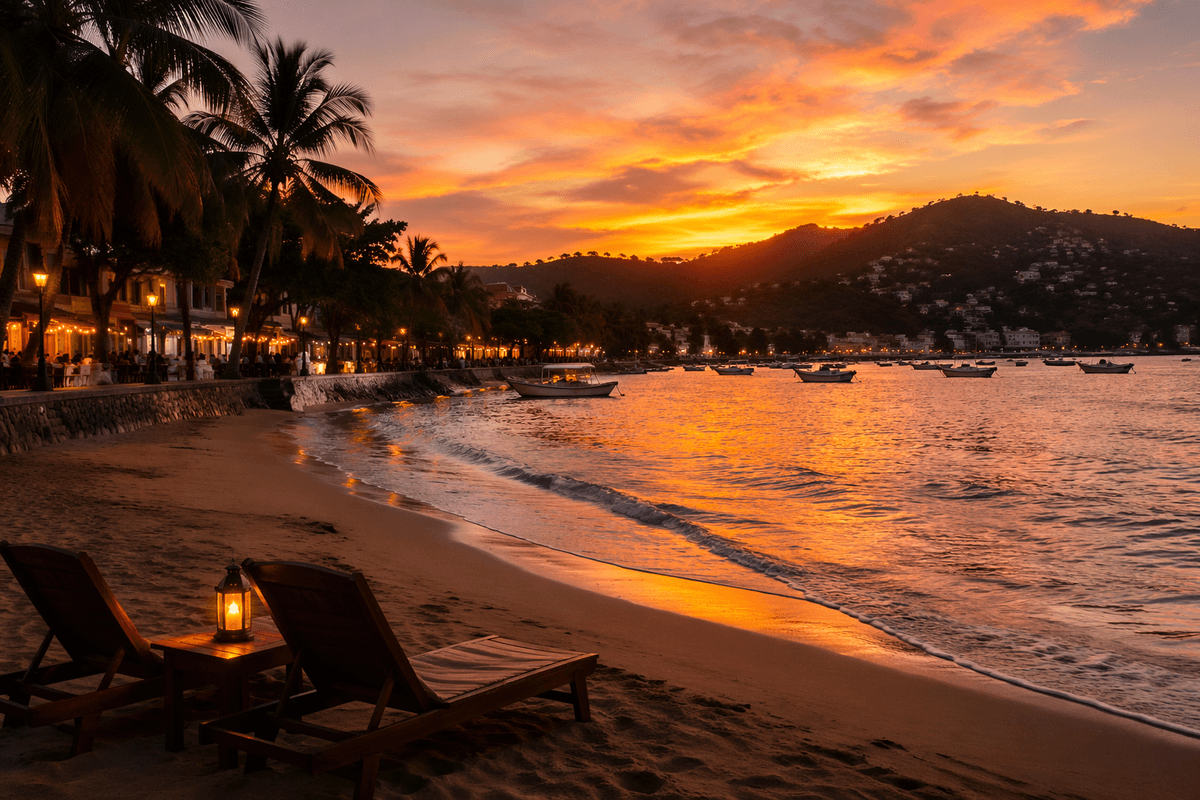
We landed late afternoon and had a brief “do we really have time?” moment while watching the baggage carousel crawl. The sunset in Zihua doesn’t wait for your flight, so we kept the arrival plan intentionally shallow: drop bags, rinse off, and go straight to the waterfront even if you feel underdressed. If you’re staying in Centro or La Madera, it’s a low-stakes walk; if you’re farther out (or it’s raining), a quick taxi is worth the few extra dollars because missing the light feels disproportionally annoying on night one.
For the sunset itself, we liked keeping it simple—waterfront promenade energy without committing to a long sit-down meal while you’re still getting your bearings. The main constraint is humidity: if you linger too long, you’ll end up hungry and cranky instead of romantic, so we treated sunset as a timed checkpoint and moved on quickly once the colors faded.
Tacos are the optional upgrade because they scale to your fatigue level: you can do a proper spot with seating, or you can keep it “two rounds and done” from a stand without negotiating a menu in Spanish. We skipped bars entirely—not because they’re unsafe, but because the first night is when jet lag, heat, and rain-season stickiness compound, and a late night makes Day 2 feel shorter than it is.
Day2 La Ropa beach | Must: Swim | Opt: Paddle | Skip: Crowds
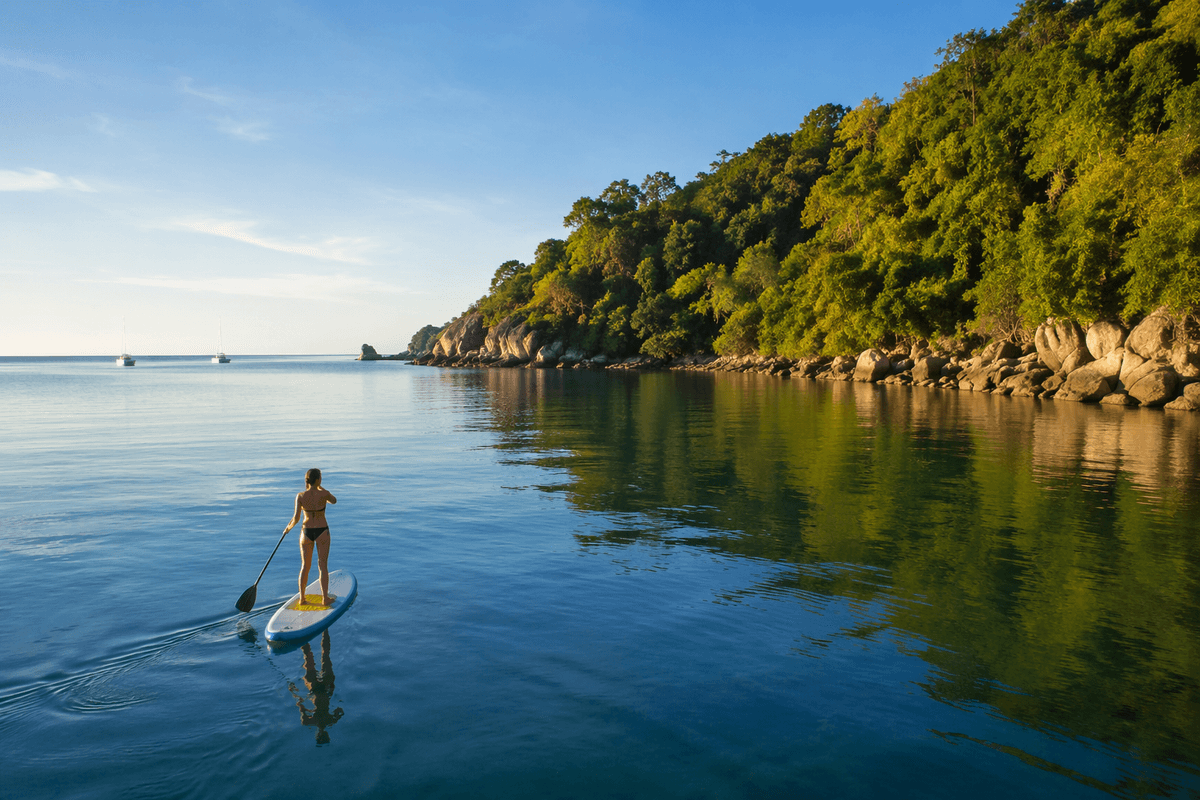
The first real decision on Day 2 was timing, not location: La Ropa is the “easy yes” beach in Zihua, but it only feels effortless if you beat the late-morning buildup. We aimed to arrive while the sand was still quiet and the water looked glassier—partly for the vibe, partly because rainy-season clouds can roll in fast and turn a clean swim window into a sweaty, indecisive “should we wait it out?” If you’re staying in Centro/La Madera, walking works early; once the sun is high, the same walk feels longer than it is, and a short taxi suddenly makes sense.
The must here is a straightforward swim. La Ropa’s sheltered feel is the point: you’re not fighting waves or current the way you might on more open stretches, which matters if you’re trying to relax rather than “earn” the water. The limitation is that comfort attracts people—by midday, the beachfront gets busy and the waterline can feel like a shared lane. We treated it like a swim-first beach, then shade and lunch before it turned into peak-hour choreography.
Paddleboarding is the optional add-on that actually fits this day, but only if the water is calm and you’re okay paying a bit more for convenience. Going early made it feel smooth; going late made it feel like dodging swimmers and boats. If crowds stress you out, don’t try to outlast them—leave La Ropa by early afternoon and take your reset elsewhere, instead of forcing a “full beach day” that isn’t as restorative as it sounds.
Day3 Ixtapa Island | Must: Snorkel | Opt: Boat | Skip: Jet-skis
By Day 3 we hit the first real fork in the road: do you keep it simple and book a boat to Ixtapa Island, or do you try to DIY your way into a “quick” half-day that quietly eats the middle of your trip? We chose the boat—not because it’s adventurous, but because it collapses decisions (where to go, who to pay, how to get back) into one transaction when you’re already managing heat, sunscreen, and limited Spanish. The constraint is timing: late morning departures can turn into a slow crawl of loading, waiting, and arriving just as the sun gets harsh.
The must-do is snorkeling, and it’s worth treating it like a morning appointment. The water clarity is usually better earlier, and you’ll feel the difference between “we saw fish” and “we stared at greenish water while getting bumped by other masks.” Bring or rent decent gear, but don’t expect coral-garden perfection; it’s fun, not the Caribbean. If one of you isn’t a strong swimmer, the life-vest option keeps it relaxed—though it can feel bulky and a little awkward in chop.
Boats are the optional upgrade that actually reduces stress. You pay more than you want to, but you’re buying a shorter day and fewer small negotiations. We skipped jet-skis entirely: the noise and traffic undercut the whole point of coming out here, and they make the swim area feel less calm even if you’re not the one riding.
Day4 Town & markets | Must: Tacos | Opt: Museums | Skip: Shopping
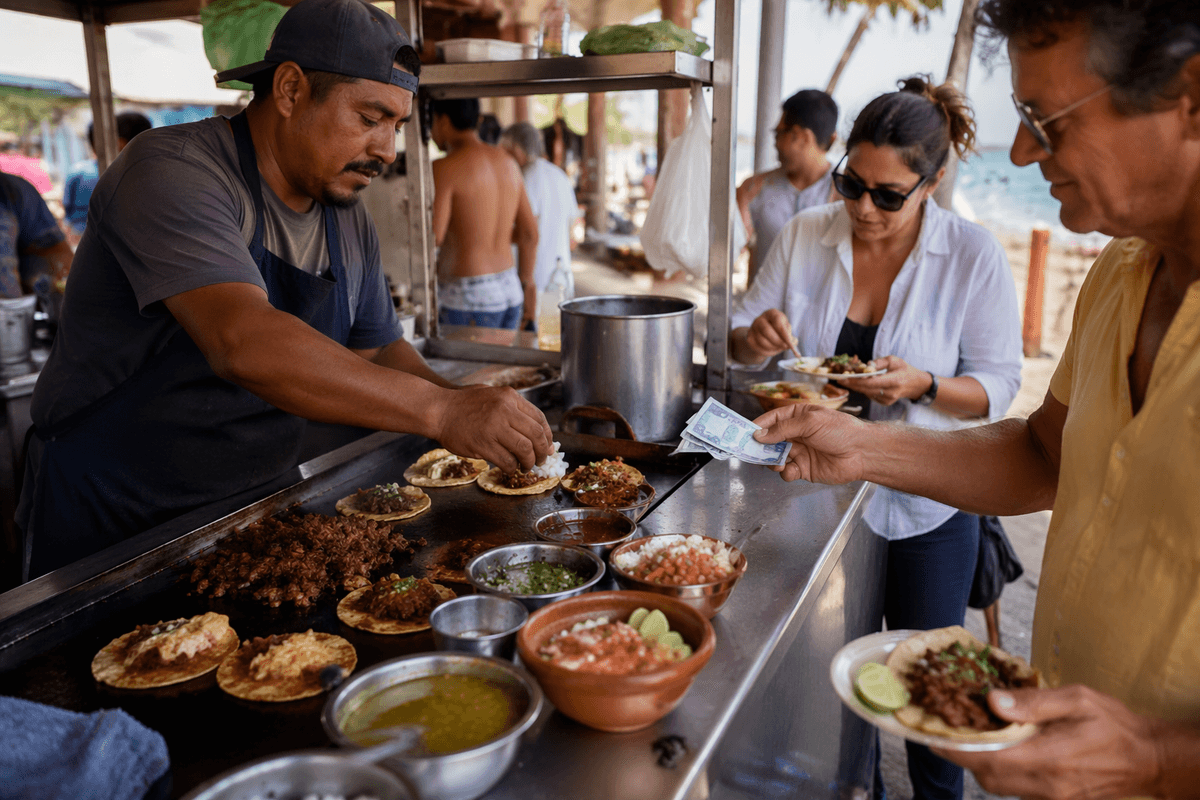
We planned Day 4 as our “flex day,” and it immediately paid off when the morning started humid and a little undecided—clear enough to be out, but not the kind of weather that makes you grateful you committed to another beach mission. Town time in Zihua works best when you accept that you’ll move slower: you’re ducking into shade, waiting out a quick sprinkle, and realizing that the “ten-minute walk” on a map feels different when the sun bounces off pavement. If you’re basing in Centro, this day is easy; if you’re in Ixtapa, the taxi back-and-forth can quietly turn a relaxed wander into a metered schedule.
The must is tacos, but not as an event—more like a strategy. We liked grazing: one place for a small order, another spot if something looked better, and then stopping the moment we crossed from pleasantly full to overheated. It’s also the easiest way to eat well with limited Spanish, because you’re ordering a few items at a time instead of committing to a long menu you can’t parse. The only catch is cash: the best “this is obviously local” stands don’t want your card, and hunting for an ATM mid-hunger is a fast way to sour the afternoon.
Museums are the optional add-on if you want air-conditioning and a mental reset, but we kept it conditional—only worth it if you’re genuinely enjoying being off the beach, not forcing culture to justify the day. We skipped shopping on purpose. Even if you like browsing, it’s easy to lose an hour to polite conversations and price ambiguity, then realize you spent your limited daylight carrying something you didn’t need.
Day5 Hidden coves | Must: Playa Blanca | Opt: Surf | Skip: Tours
By Day 5 we were craving “quiet water, no decisions,” but Playa Blanca forces one decision up front: do you want to pay for the distance or pay with your time. From Zihua it’s a longer taxi ride than you’ll instinctively want on a short trip, and it works best when you commit to a real block of hours (not a quick pop-in between meals). We left earlier than felt vacation-natural because the later you go, the more the heat stacks up and the beach starts to feel less like a reset and more like a slow bake—especially in rainy season when the air can get heavy even before the clouds show up.
Playa Blanca was our must because it delivered the “long-beach exhale” Zihua’s smaller coves can’t always give you. It’s not the sheltered, easy-swim setup of La Ropa, so we treated the ocean like a variable: some days it’s inviting, other days it’s choppy enough that you’ll be happier walking the shoreline and saving your energy for food and shade. That flexibility matters as a couple—if one of you wants to be in the water and the other doesn’t love waves, you can still share the day without anyone feeling like they’re just waiting.
Surf is the optional add-on, but only if conditions cooperate and you’re okay with the learning curve (and the occasional wipeout) replacing your “float and talk” beach time. We skipped packaged tours entirely; on a five-night break, bundling schedules and group timing felt like giving away the one day that actually benefits from moving at your own pace.
Wrap-up
On our last morning, the only real question left was whether to squeeze in “one more thing” or protect the easy parts we’d already figured out. We chose the boring option: a final early swim (or a long shoreline walk if the water looked messy), then a slow breakfast that didn’t require translating anything complicated. It sounds small, but on a five-night trip it’s surprisingly easy to spend your last half-day negotiating taxis, timing, and wet clothes—then feel like you didn’t actually get a closing beat.
If you’re deciding between Zihua and Ixtapa for this exact break, I’d still bias Zihua unless resort containment is the point of your trip. Being able to walk to dinner when you’re tired matters more than it seems, and it reduces the “should we go or stay” friction that adds up in humid weather. The handful of things I’d actually lock in are limited: airport transfer if you hate arrival haggling, a boat for the island if snorkeling is non-negotiable, and enough cash to stop thinking about ATMs. Everything else—markets, museums, even surf—works better when you treat it as weather-dependent instead of a promise.