NYC dining: too many choices—where do you start?
I opened my first NYC food spreadsheet and immediately regretted it: 40 “must-try” pins before I’d even picked a neighborhood for dinner. That’s the trap—most “top” lists assume you have unlimited nights, unlimited patience, and a tolerance for 90-minute waits. On a 4–5 day Manhattan-based trip, the fastest way to eat well is to stop chasing “best in the city” and start matching meals to where you’ll actually be (and how much reservation friction you’re willing to absorb).
Start by sorting your trip into three buckets: (1) one splurge dinner you’ll plan around, (2) two “anchor” sit-down meals near where you’re already spending time (Midtown after a show hits differently than a downtown lunch), and (3) flexible quick eats you can deploy when the day runs long. This works because NYC punishes vague plans: popular places fill up, walk-in lines balloon at peak hours, and cross-town travel can eat the exact time you thought you’d use for a leisurely meal.
If you do only one tactical thing tonight: pick your splurge and set alerts or check reservation drops early (often 7–10 days out, sometimes same-day). Everything else gets easier once that one hard-to-land table is handled.
What “top” means: vibe, budget, and borough fit
The first real choice usually isn’t cuisine—it’s whether you want a “big night” (dim lights, longer meal, louder room) or something that slips neatly between museum hours and a subway ride. NYC rewards clarity here: the same “top” restaurant can feel perfect on a celebratory Friday, and completely wrong when you’re tired, hungry, and staring at a 45-minute walk-in wait. I like to decide vibe first (date-night energy vs. efficient and cozy), then let the menu follow.
Budget is less about sticker price and more about what you’re willing to stack on top of it: cocktails, a cab home, and the temptation to “just add” apps because you waited so long to get in. For a mid-range trip with one splurge, aim for one reservation-heavy meal you’ll happily plan around, then keep your other sit-downs in the “easy yes” category—places with bar seating, multiple dinner turns, or strong lunch service when the room is calmer and menus can be cheaper.
Finally, borough fit matters because time is money in NYC. If you’re based in Manhattan, a Brooklyn dinner can be incredible, but it’s rarely spontaneous—you’re committing to transit and timing. Weeknights travel better; weekends punish indecision with packed trains and longer waits.
Iconic NYC restaurants that truly earn the hype
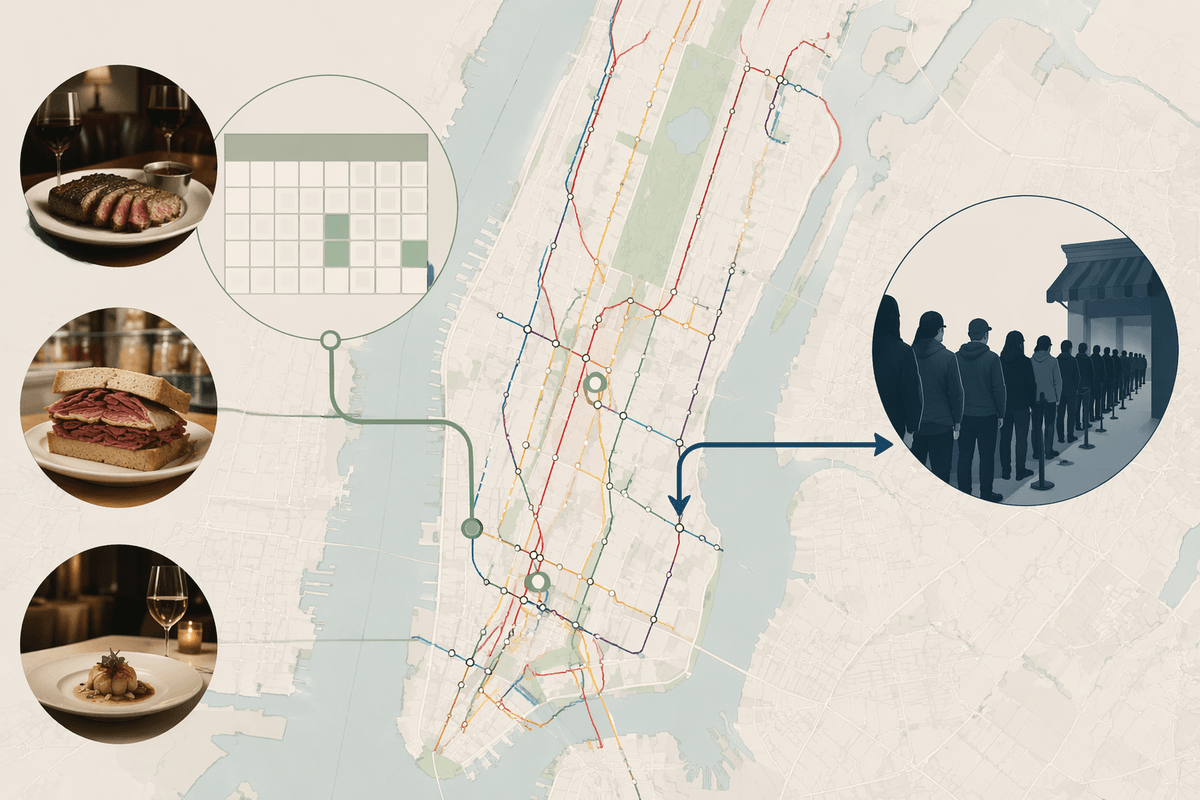
The moment you start searching “iconic NYC restaurants,” you’ll notice the friction isn’t the price—it’s access. The places that genuinely feel like New York tend to be either reservation chess (you plan around the slot you can get) or line culture (you decide how much time you’re willing to burn). For a 4–5 day trip, I’d rather lock one classic that’s hard to replicate elsewhere and build the rest of my meals around it than gamble on a famous room at peak hours and end up hangry on the sidewalk.
If you want an old-guard “only-in-NYC” steakhouse night, Keens is the rare legend that still feels worth the detour: it’s big, fast-moving, and the menu is built for decisive ordering. It can still book up, but compared to the buzziest new openings, it’s a more realistic get—especially on a weeknight or at an early dinner. Katz’s Deli is the other kind of iconic: you pay extra for the story and the pastrami, and you’ll wait, but going at an off-hour (late lunch, early afternoon) turns it from a tourist scrum into a satisfying, efficient stop.
For the splurge-category icon, Le Bernardin earns its reputation if what you want is a controlled, quiet “this is the meal” evening—just know it’s a longer commitment (time and money), and it’s less spontaneous than your average Manhattan night. If that level of formality sounds tiring, pick a more flexible iconic instead (Keens or Katz’s) and save your splurge for a place where you can actually relax into the reservation you managed to land.
Neighborhood gems worth traveling for
One night I nearly talked myself out of leaving Manhattan—rain threatening, phone at 12%, and the idea of a “quick” subway ride feeling like a lie. But neighborhood spots are where NYC stops performing and starts feeding you, and the trick is choosing ones that justify the commute instead of turning dinner into a logistics project.
If you can swing a Brooklyn dinner, I like Red Hook Tavern for a straightforward, dialed-in night that feels special without requiring tasting-menu stamina. Getting there is the main constraint (it’s not a “pop out of the subway and you’re done” neighborhood), so I’d only do it on a weeknight and I’d commit to an early reservation—otherwise you’re stacking transit plus a wait, and suddenly your “casual” plan eats the whole evening.
For Queens, I’d travel for SriPraPhai in Woodside when you want peak flavor with less Manhattan pricing. The limitation is timing: go too late and you’ll feel the distance on the ride back, but a late lunch or early dinner makes it feel easy. If your schedule is tight, split the difference with a Flushing afternoon crawl instead—more variety, but more decision-making and more walking when you’re already tired.
Best splurges vs best-value meals
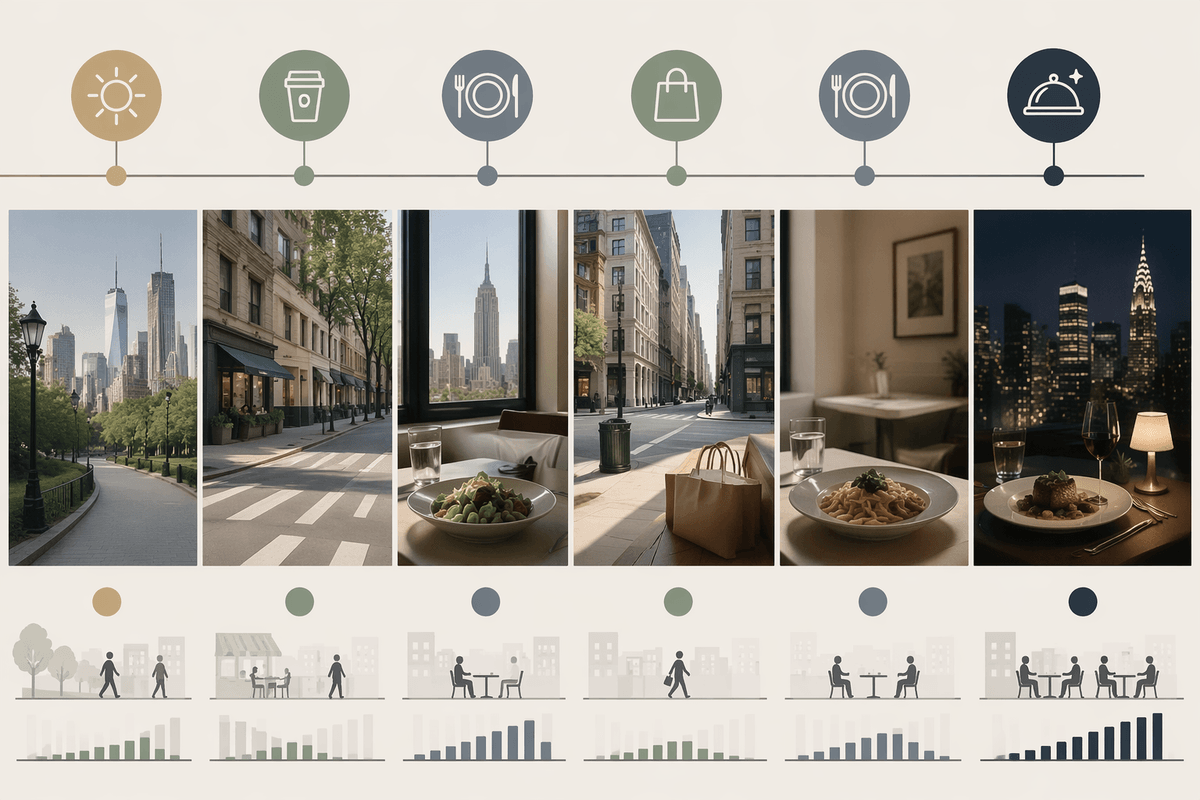
I learned pretty quickly that my “one splurge” couldn’t also be my “most convenient” meal—NYC rarely gives you both. If you pick Le Bernardin (or any tasting-menu-style night), you’re buying time as much as food: a longer, quieter evening that works best when you’re not racing a show curtain or trying to squeeze in last-minute shopping. The upside is certainty: a true destination meal with fewer variables once you’re seated. The friction is planning—prime times go first, and changing plans mid-day (weather, fatigue) is harder when the reservation is the whole point.
For best-value meals, I’d spend my flexibility on places that reward off-hours. Katz’s is expensive for a sandwich, but it becomes “worth it” when you treat it like a strategic late lunch: you skip the worst lines, split something substantial, and you don’t burn a dinner slot that could be a reservation. SriPraPhai is the other kind of value—more food, more flavor, less Manhattan markup—but it only pays off if you’re already committing to Queens that day; otherwise, the round-trip can cost you the evening you thought you were saving money on.
My practical split: one planned splurge dinner, two reservation-light sit-downs (aim for weeknights/early seatings), and let your best-value “hits” live in lunch windows when NYC is calmer and your schedule can absorb a detour.
Leave with a shortlist you’re excited to book
At this point, I’d stop browsing and actually book a “good enough” plan: Iconic = Keens (classic room, realistic weeknight reservation), Neighborhood favorite = Red Hook Tavern (commit to the commute or don’t bother), Quick eat = Katz’s as an off-hour late lunch (still pricey, but it won’t steal a prime dinner), and Splurge = Le Bernardin only if you want a quiet, long evening you’ll protect from schedule creep.
Then stack your tactics so you’re not living in line: put the hardest reservation first (splurge), choose early seatings for everything else, and keep one “walk-in friendly” night near where you’ll already be (bar seating is your friend when your day runs late). If you’re torn between two far-apart dinners, pick the one that matches your daytime geography—NYC’s best meals don’t feel worth it when you spend the last hour calculating trains and watching your energy drain.